
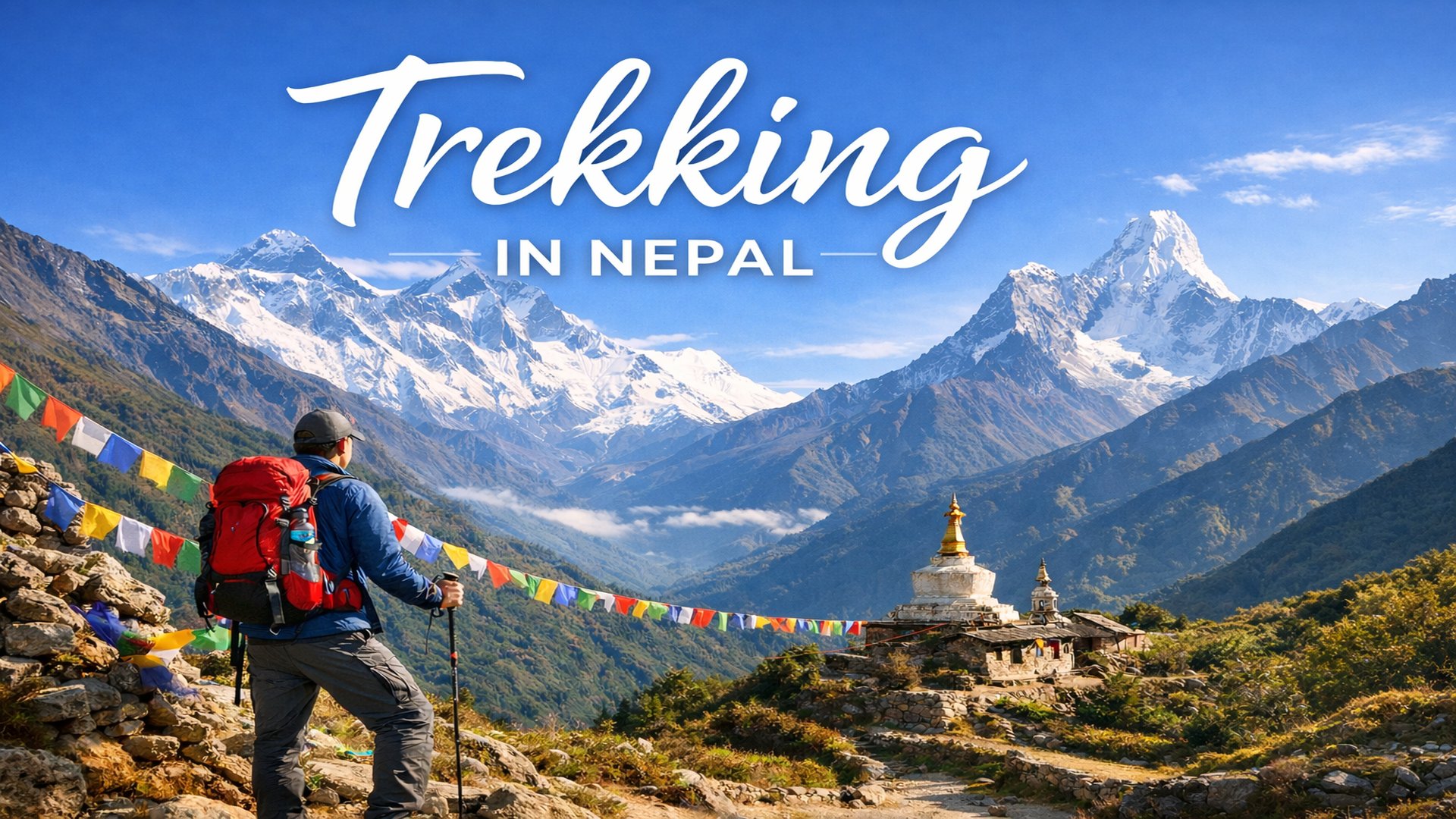
Trekking in Nepal is one of the most popular adventure travel experiences in the world. Known as the home of the Himalayas, Nepal offers breathtaking mountain views, diverse landscapes, rich cultural heritage, and world-famous trekking routes. With eight of the world’s fourteen highest peaks, including Mount Everest, Nepal is a dream destination for trekkers, hikers, and nature lovers.
From short and easy treks suitable for beginners to challenging high-altitude adventures for experienced trekkers, Nepal trekking packages cater to all fitness levels and time frames. Well-marked trails, teahouse accommodation, experienced guides, and welcoming local communities make trekking in Nepal both accessible and unforgettable.
Why Trekking in Nepal Is So Popular
Nepal is globally recognized as the best trekking destination due to its unique combination of natural beauty, cultural diversity, and affordability. The country offers:
Spectacular Himalayan mountain scenery
Famous trekking routes like Everest Base Camp and Annapurna Circuit
Rich ethnic cultures and ancient traditions
Affordable trekking costs compared to other mountain destinations
Experienced local trekking guides and porters
Safe and well-established trekking infrastructure
These factors make Nepal trekking holidays attractive to solo travelers, groups, and adventure seekers from around the world.
Geography and Landscape of Nepal
Nepal’s geography plays a major role in its trekking appeal. The country is divided into three main regions:
Terai Region
The southern lowland Terai region features flat landscapes, jungles, and wildlife reserves. While not a major trekking zone, it serves as a gateway to national parks such as Chitwan and Bardia.
Hill Region
The mid-hill region consists of rolling hills, terraced farmland, rivers, and traditional villages. Many short and moderate treks in Nepal pass through this region, offering scenic views and cultural experiences.
Himalayan Region
The northern Himalayan region is home to Nepal’s most famous trekking routes. Snow-capped peaks, glaciers, high passes, and alpine valleys dominate this area, making it ideal for high-altitude trekking adventures.
Major Trekking Regions in Nepal
Everest Region Trekking
The Everest region, also known as the Khumbu region, is the most iconic trekking area in Nepal. The famous Everest Base Camp Trek attracts thousands of trekkers each year. Highlights include:
Mount Everest (8,848.86 m)
Sherpa culture and monasteries
Namche Bazaar
Tengboche Monastery
Kala Patthar viewpoint
Other popular treks in the Everest region include the Gokyo Lakes Trek and the Three High Passes Trek.
Annapurna Region Trekking
The Annapurna region is the most diverse trekking area in Nepal. It offers a wide variety of trekking routes with different landscapes and difficulty levels.
Popular Annapurna treks include:
Annapurna Circuit Trek
Annapurna Base Camp Trek
Ghorepani Poon Hill Trek
Mardi Himal Trek
Khopra Danda Trek
The region is famous for mountain views, cultural diversity, and excellent trekking infrastructure.
Langtang Region Trekking
The Langtang region is one of the closest trekking destinations from Kathmandu. It is known for its natural beauty and Tamang culture.
Top Langtang treks include:
Langtang Valley Trek
Tamang Heritage Trail
This region is ideal for trekkers seeking quieter trails and cultural immersion.
Manaslu Region Trekking
The Manaslu region is a restricted trekking area offering a remote and less crowded trekking experience. The Manaslu Circuit Trek is a popular alternative to the Annapurna Circuit.
Highlights include:
Mount Manaslu (8,163 m)
Larkya La Pass (5,160 m)
Traditional mountain villages
Mustang and Dolpo Trekking
Upper Mustang and Dolpo are trans-Himalayan trekking regions known for their dry landscapes and Tibetan-influenced culture. These areas lie in the rain shadow, making them suitable for trekking even during the monsoon season.
Best Time for Trekking in Nepal
Choosing the best season for trekking in Nepal is essential for a successful trip.
Spring Trekking (March to May)
Stable weather
Blooming rhododendron forests
Excellent mountain views
Autumn Trekking (September to November)
Clear skies and best visibility
Ideal temperatures
Peak trekking season in Nepal
Winter Trekking (December to February)
Cold temperatures at high altitudes
Fewer crowds
Suitable for lower-altitude treks
Monsoon Trekking (June to August)
Heavy rainfall in most regions
Ideal for Upper Mustang and Dolpo treks
Culture and People of Nepal
Trekking in Nepal offers a deep cultural experience. Along trekking routes, trekkers encounter ethnic groups such as Sherpa, Gurung, Magar, Tamang, Thakali, and Tibetan communities.
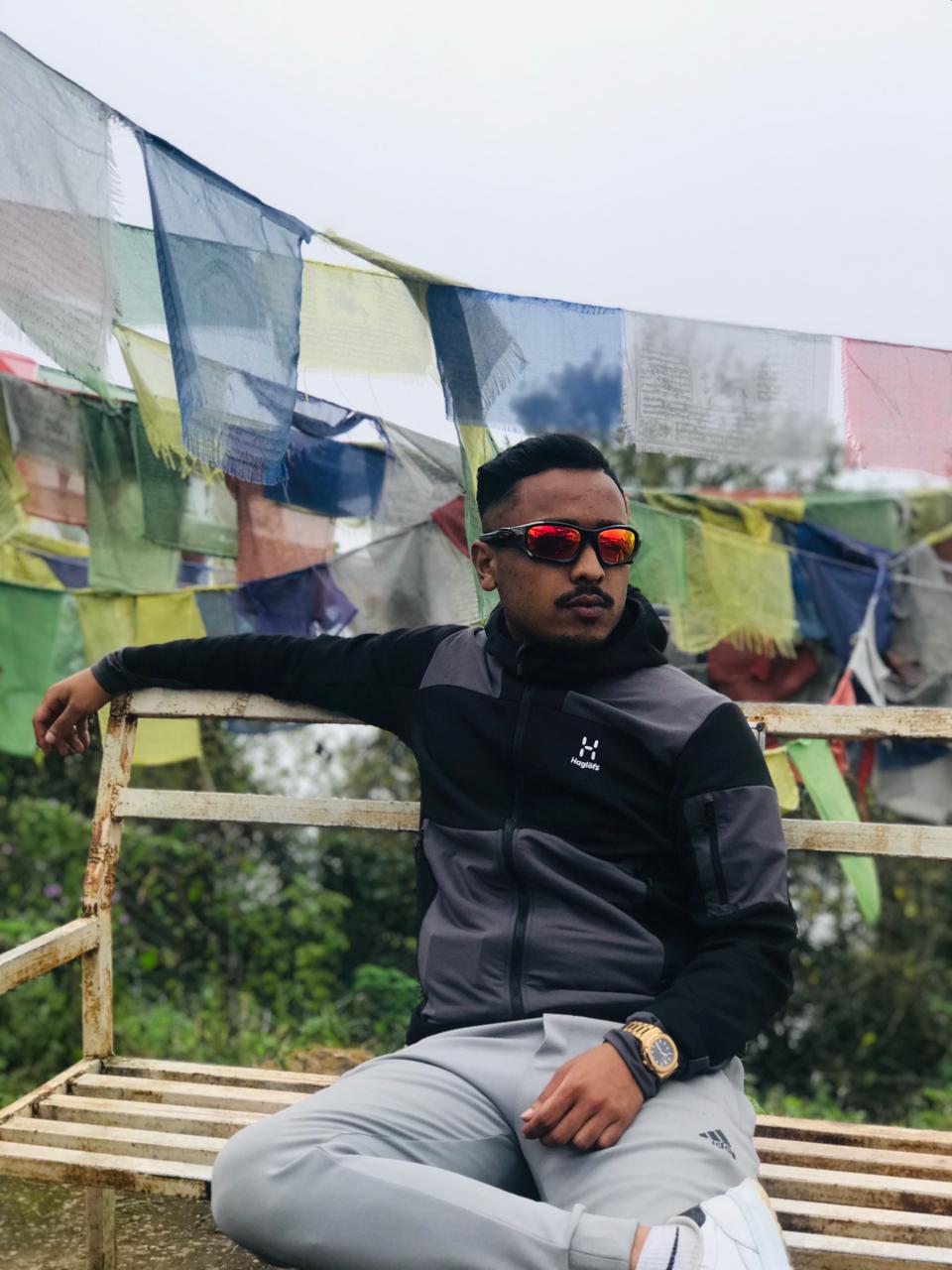
Buddhist monasteries, prayer flags, mani walls, and chortens are common sights in trekking regions. Respect for local customs and traditions enhances the trekking experience.
Physical Fitness and Trekking Preparation
Proper preparation is important for trekking in Nepal. Key preparation tips include:
Regular cardiovascular and strength training
Gradual acclimatization to altitude
Proper trekking gear and clothing
Hiring licensed trekking guides and porters
Good preparation reduces the risk of altitude sickness and ensures a safe trekking journey.
Sustainable and Responsible Trekking in Nepal
Sustainable trekking helps protect Nepal’s fragile mountain environment and supports local communities. Responsible trekking practices include:
Minimizing plastic waste
Using refillable water bottles
Supporting local teahouses
Respecting wildlife and culture
Eco-friendly trekking contributes to the long-term sustainability of Nepal’s tourism industry.
Challenges of Trekking in Nepal
Trekking in Nepal can be physically and mentally demanding. Common challenges include:
High altitude and thin air
Long walking days
Basic accommodation in remote areas
Changing weather conditions
Despite these challenges, the rewards far outweigh the difficulties.
Benefits and Rewards of Trekking in Nepal
The rewards of trekking in Nepal include:
Stunning Himalayan views
Sense of achievement
Cultural understanding
Mental peace and personal growth
Many trekkers describe trekking in Nepal as a life-changing experience.
Conclusion: Why Choose Nepal for Trekking
Nepal remains the world’s top trekking destination due to its unmatched mountain scenery, diverse trekking routes, and rich cultural heritage. Whether you choose the Everest Base Camp Trek, Annapurna Circuit, or a short scenic hike, trekking in Nepal offers an unforgettable adventure.
With proper planning, responsible travel, and an open mind, trekking in Nepal becomes more than a holiday—it becomes a journey of discovery, inspiration, and connection with nature.
Keywords: trekking in Nepal, Nepal trekking, Everest Base Camp Trek, Annapurna trekking, best trekking destination, Himalayan trekking, Nepal trekking packages
Posted on