


The Everest Base Camp (EBC) Trek is one of the most iconic and rewarding trekking experiences in the world. It takes you through the heart of the Khumbu region of Nepal, offering stunning views of the Himalayas and an up-close encounter with the culture of the Sherpa people.
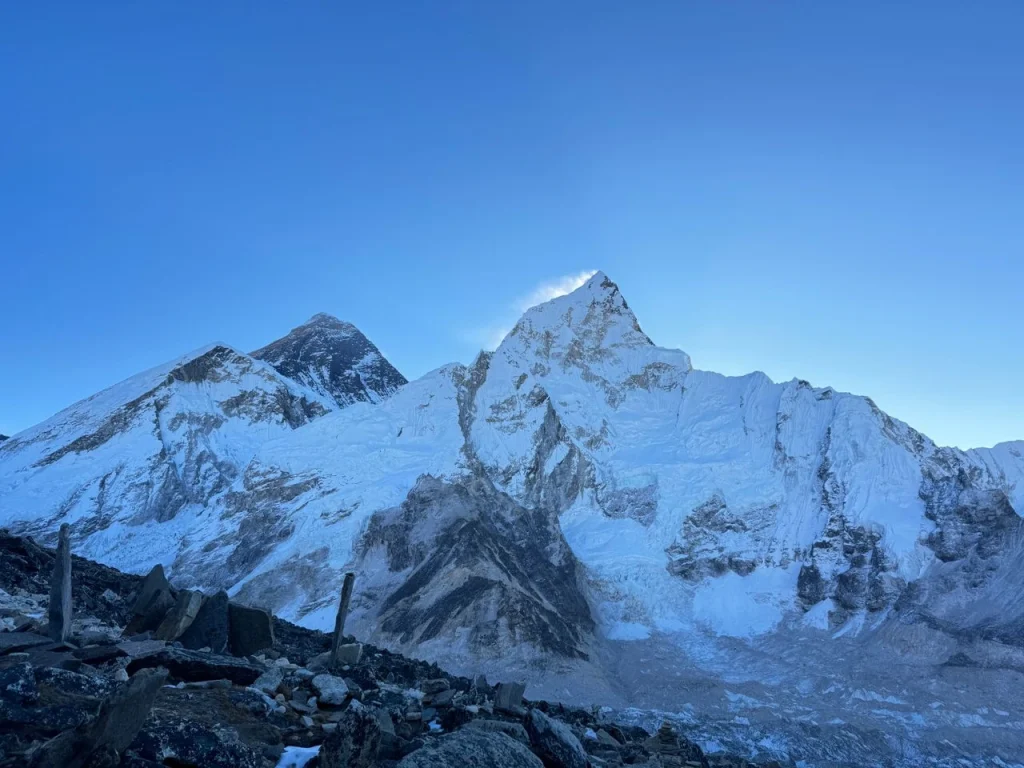
Embarkation on the base camp of the world’s highest peak in the world, Everest Base Camp, is an exhilarating and triumphant experience for all trekking enthusiasts. All Himalayan Treks has curated this trek especially for you, with care for this once-in-a-lifetime adventure to the pinnacle of treks. From starting and setting the tone for the trek with an exhilarating flight to Lukla to the first steps along the land of Khumbu and eventually to the Everest Base Camp, our every step will be filled with awe and energy. We will be passing through many villages that profoundly showcase the authentic culture and hospitality along the trek. The views will get better and better as we gain altitude.
As our trail winds up the distance, the lush greenery of the forests filled with rhododendrons and oak trees will unfold into the alpine valleys, and the stark beauty of the Khumbu region will finally be soaked in. We will get constant rewards of the incredible vistas of Ama Dablam, Everest, Lhotse, and other neighbouring peaks. Acclimatization days in Namche and Dingboche will introduce us to the major cultural interactions and unforgettable exploration of the brave Sherpas nestled in the Himalayas. The spiritual aura of Tengboche Monastery envelops trekkers in a profound sense of peace and serenity, setting the stage for a spiritual experience.
Our major highlight still awaits as we complete the alpine terrain and traverse through the glacial moraines while we reach the Everest Base Camp. Also known as the pinnacle of trekking, Everest Base Camp stands as one of the most desired locations in the trekking world. This achievement will be so powerful that words can hardly capture it. Yet another picturesque moment at Kala Patthar awaits, where sunrise ignites the golden hue of the Everest and neighbouring peaks. Such moments are really etched forever in memory.
This trek to Everest Base Camp is more than just high-altitude trekking; it is a story of resilience, strength, and a truly wonderful experience. Also, this is an opportunity to be a part of history.
The Everest Base Camp is the world’s grandest grandeur and the ultimate bucket-list adventure. We will be offered the combined grandeur of breathtaking landscapes, cultural richness, and the high-altitude thrill of trekking. Only a few people in the world can walk in the footsteps of the climbers who conquered the feat of Everest Summit. Thus, this trek offers a unique opportunity to be part of history and achieve the remarkable feat of reaching Everest Base Camp.
This trek allows every trekker to experience the thrill and serenity of the Himalayas. From Lukla to Kala Patthar, each step will bring new rewards, challenges, and a soaking environment. The deep cultural immersion with the local Sherpas, along with savouring the views of mountains and wildlife like Himalayan tahr, snow leopards, inside the premises of Sagarmatha National Park, is a unique yet privileged experience.
All Himalayan Treks is not just another travel agent. We are a specialized company that offers personalized services to explore Nepal’s exhilarating landscapes around the country. We provide the most experienced and knowledgeable guides and porters so that you can have the best experience while touring or trekking in Nepal. With the focus on customer satisfaction and enhanced experience with safety and memorable experiences, we cater to both seasoned and novice trekkers with personalised services. We will provide the tailored itineraries and make the schedules on your demand with the proper logistical support and unmatched assistance. We are contactable via email at allhimalayantreks86@gmail.com, or phone through Bishnu Karki (9854043523) or Bibek Karki (9861612112).
Everest Base Camp is the crowning achievement of this trek. While we stand beneath the towering south face of Everest, the triumphant moment feels surreal. The base camp is surrounded by prayer flags, icefall, and glaciers to fill us with awe and pride. The climbers begin their ascent towards the summit, which adds a sense of history and adventure. Everest Base Camp is not just a destination, but a defined achievement. The trekkers celebrate their endurance, determination, and connection to the heart of the Himalayas.
Kala Patthar is one of the highest viewpoints in Nepal at 5545m. This vantage point offers the iconic panorama of Everest and neighbouring peaks. As the first golden rays strike the mountains, the view becomes a surreal and breathtaking spectacle. The viewpoint surpasses every adventure and difficulty we faced before in this trek. The reward of watching the iconic shape and panorama will make us forget everything about the trek. The immense scale of the Himalayas is also a paradise for photographers.
Namche Bazaar is the bustling Sherpa town. The town blends the touch of Himalayan tradition with the modern vibrance. This town is set against the view of dramatic peaks and offers cafes, bakeries, and lively markets where trekkers can interact with the locals. Beyond that, the touch of modernity has not disrupted Namche’s cultural authenticity, as the Sherpa hospitality, traditional crafts and artifacts, and the Sherpa museum hold the history and legacy of this place.
The Tengboche Monastery is the profound spiritual heart of the Khumbu region. The monastery perched against the dramatic backdrop of Ama Dablam and amidst rhododendron and oak forests promotes a serene atmosphere. The trekkers often take part in the evening prayers, where the chants and rituals create a deeply moving experience. Beyond the beauty, Tengboche monastery provides a deep connection with the local traditions, with reflection and peace. This combination is one of the best cultural highlights of the trek.
Sherpa Communities bring warmth and authenticity throughout this trek. While we stay in the family-run teahouses, we will enjoy the hearty meals and cozy accommodations, and the conversations will reveal the stories of resilience and deep-rooted traditions. The Sherpas are renowned for their bravery and mountaineering skills; they are also known for their culture and hospitality. The interactions highlight that the kindness and hospitality of the Sherpa community create bonds that go beyond trekking. We will have peak moments with the cultural exchange that combines with the breathtaking landscapes.
From start to finish, this trek is rewarded with the breathtaking Himalayan views. The peaks like Ama Dablam, Thamserku, Everest, Lhotse, and others will constantly dominate the horizon. Each day will bring new perspectives, sunrises along the snow, star-filled skies, and the glacial moraines, all promote the vintage vista along the Himalayas. These panoramas blend with the authentic Sherpa culture and stone-walled villages, inspiring the trekkers with awe and gratitude towards the Himalayas. The best experience along with the exploration.
Lukla Flight Information: Flights to Lukla are subject to seasonal changes and operational adjustments that may affect your travel plans. During the busy trekking months of March, April, May, September, October, and November, flights to Lukla are operated from Ramechhap/Manthali Airport, which is about a 5–6 hour drive from Kathmandu, due to high air traffic at Tribhuvan International Airport. In the less crowded months of January, February, June, July, August, and December, flights generally operate directly from Kathmandu.
However, it is important to understand that the final decision on where flights operate depends entirely on the airlines and the number of travelers at the time. Delays and cancellations are also common because of unpredictable Himalayan weather, airport congestion, the short Lukla runway, and the region’s challenging terrain. For this reason, travelers planning to trek in the Everest region are strongly advised to include at least one or two buffer days in their itinerary to avoid missing international connections in case of disruptions.
Day 01: Arrival in Kathmandu
Day 02: Fly to Lukla & Trek to Phakding
Day 03: Trek to Namche Bazaar
Day 04: Acclimatization at Namche Bazaar
Day 05: Trek to Tengboche
Day 06: Trek to Dingboche
Day 07: Acclimatization at Dingboche
Day 08: Trek to Lobuche
Day 09: Trek to Gorakshep & Everest Base Camp
Day 10: Hike to Kala Patthar & Trek to Pheriche
Day 11: Trek to Namche Bazaar
Day 12: Trek to Lukla
Day 13: Fly back to Kathmandu
Day 14: Departure
Spring is amongst the most pleasant times to embark on the Everest Base Camp journey. Forest trails burst with the vibrant colours of rhododendrons, adding colour to the journey in the lower altitudes. The daytime temperatures are very pleasant and make trekking more comfortable. During the season, base camp buzzes with the climbers preparing for the Everest summits, as this is the peak summit season. The skies will be clear and promote the stunning visibility from the start of our journey. We will have an opportunity to spot the Himalayan birds and wildlife along the lower trails before reaching Namche Bazaar.
Autumn is truly a gifted season from a trekker’s perspective. The conditions are mostly dry, and the clear skies make trekking safe, enjoyable, and rewarding. The monsoon clears the views and offers one of the best visuals of the mountain panoramas. We will get to experience the buzz of the festivals like Mani Rimdu at Tengboche Monastery alongside Dashain and Tihar. The temperatures are mostly ideal, with the cool and crisp air at the higher altitudes. However, the nights can be a bit cold. The atmosphere is lively and buzzing with fellow trekkers from all around the world embarking on this beautiful odyssey.
While we embark on the Everest Base Camp, one of the biggest challenges is adjusting to the high altitude. As we ascend to an altitude of 3000m, the air will grow thinner and the oxygen level will drop. The breathing gets harder so that the trekkers may feel the symptoms of Acute mountain sickness, also known as altitude sickness. The preliminary symptoms are headaches, nausea, dizziness, and fatigue. The beginning symptoms are curable with an immediate response, like resting, hydrating enough. The longer trekking hours in this trek can intensify these effects, and altitude sickness can affect everyone, regardless of age or fitness level.
To minimize the altitude sickness’ risks and difficulties, we have scheduled strategic acclimatization days. Taking scheduled rest days with the side hikes at elevated altitudes and back to lower regions helps in the adjustment to the thin air. Our guides and porters are very knowledgeable about the symptoms, and they will be checking on you constantly for these. Trekking slowly to conserve stamina, staying hydrated, and eating a nutritious diet are very important to acclimate ourselves and ensure our health and safety.
The Everest region is not only an odyssey along the towering peaks. It is also home to the magnificent diversity of ecology. As our trek progresses, the forests of rhododendrons, oaks, and pine dominate the trail with the blooming wildflowers during spring. The terrain quickly transitions to the alpine meadows, where stark valleys and snow-capped peaks are thoroughly visible.
In the lower regions, Sagarmatha National Park shelters rare wildlife such as the snow leopard, musk deer, and the Himalayan tahr. Colourful birds like Pheasants and snowcocks dominate the wood along with the few glances of yaks, which are the essential companions of the Sherpa people for their transport and rearing purposes. The glacial rivers and hanging valleys along the pristine alpine landscapes reward us with the discovery of true Himalayan wonder.
While we embark on the grandeur of the mountains, the local people and culture make the journey to Everest Base Camp unforgettable. The trekkers often recall the evenings spent in the teahouses listening to the stories of the Sherpa beside the fire. The warmth of this incredible journey is beside the landscape beauty of the Khumbu region. At the Tengboche Monastery, trekkers often describe the serenity peaking with the rhythmic chants of monks echoing through the valley. The trekkers become family while encouraging one another during the ascents and descents. The connection with the people and their warm hospitality is a creation of spirituality and a shared adventurous journey together. The culture and traditions of the Sherpa people truly transform the trek into a deep human connection that is etched alongside the majestic Himalayas.
Our adventure begins with the lively arrival in the city of Kathmandu. Upon our arrival at Tribhuvan International Airport, you will be welcomed and transferred to the hotel by one of the staff members. The rest of the day is free to relax and prepare for the last-minute essentials. In the evening, our guide will brief you about the trek and the trek’s basics and finalize the preparations. We will get to enjoy the first taste of Nepali cuisine for dinner.
manthali to Lukla Flight (March, April, May, September, October and November)
During peak seasons, such as March, April, May, September, October and November the flight to Lukla will be operated from Ramechhap/Manthali due to air traffic expansion. The Manthali/Ramechhap airport is about a 5 to 6 hours drive away from Kathmandu.
On this day, we wake up between 1:00 AM and 3:00 AM, take an escorted shuttle to Manthali Airport in a shared tourist vehicle, and board a 20-minute flight to Lukla.
Kathmandu to Lukla Flight (January, February, June, July, August and December)
The flight to Lukla is typically operated from Kathmandu during nonpeak seasons, which include January, February, June, July, August and December. Please be aware that the decision regarding the operation of flights solely depends on the airline and is influenced by the volume of travelers during a specific month. On this day, we wake up between 5:00 AM and 6:00 AM. Our staff will escort you to the domestic airport terminal in Kathmandu, where you will board a 35-minute flight to Lukla
Today, we will have a mix of gentle paths and challenging climbs along the suspension bridges and forests. We will enter the Sagarmatha National Park at Monjo and gradually steepen through the pine and rhododendron forests and small settlements. After a long ascent, we reach the Namche Bazaar, which is our major stop and hub for the trekkers. This bustling town is surrounded by high peaks and offers lively markets with a touch of modernity and culture all along. Overnight in Namche.
Acclimatization is key to a successful trek, so we have scheduled an acclimatization day in Namche Bazaar. We will explore Namche and its surroundings for the whole day. In the morning, we will hike to the Everest View Hotel(3880m), which is the highest hotel in the world. This hotel’s terrace provides the most exhilarating far views of Everest, Lhotse, and Ama Dablam unfold. We can enjoy the picturesque views alongside a cup of hot tea in the cool weather. We will return to Namche Bazaar for the night.
We will leave Namche after spending an acclimatization day. The trail winds us along the ridges with the promotion of sweeping views of the Everest and Ama Dablam. The pleasant walk will lead towards the descending river before we step into the steep climb through the rhododendron forests, before we arrive at Tengboche. Tengboche is home to the Tengboche monastery and is regarded and revered as the spiritual capital of this region. We will spend the evening in prayer and spiritual reflection against the serene backdrop of Ama Dablam, making this one of the highlights.
Our journey today will first descend through the forests alive with the bird calls before we cross the Imja Khola. The trail will rise steadily towards Pangboche while offering the close perspectives of Ama Dablam’s dramatic scenery. While we continue higher, the scenery will shift towards the alpine meadows and windswept landscapes. We will arrive at Dingboche, which is a famous and beautiful Sherpa village surrounded by the stone-walled farmlands. We will rest against the striking scenery of Lhotse and Island Peak.
At an altitude of 4410m, we will spend our day adapting to the thin air and high altitude at Dingboche. Today, we have scheduled a short hike towards the Nangkartsang Peak at 5083 that offers a rewarding 360-degree panorama of Makalu, Ama Dablam, and the serene alpine valleys. The climb is steep and challenging but equally rewarding and helpful for the acclimatization process. This day is all about balance and adaptation before we push further towards the ultimate goal.
The trail today climbs gently through the wide valleys before we reach the Thukla Pass. Thukla Pass is a place which is marked by the memorials of climbers who lost their lives during the Everest mission. From here, we will descend towards the rocky moraines and stark landscape. The snow-covered peaks tower all over our heads before we finally reach Lobuche. Lobuche is a small teahouse settlement tucked beneath the Lobuche Peak. Overnight in Lobuche.
Today, we will have one of the most exotic and exciting days for this trek. We will rise early, ascend to Gorak Shep, leave our baggage, and step aside over the glacier moraines. The tough walk over the glaciers will take us to the Everest Base Camp. Our bucket-list adventure is completed when the prayer flags flutter in our welcome. We can celebrate reaching the goal by having a digital remembrance. Although Everest is not seen from here, this is a triumphant and joyous moment for all the trekkers. We will get back to Gorak Shep by the evening.
We wake up early and hike up to Kala Patthar before dawn. Kala Patthar is the highest point of our trek and rewards us with the most picturesque Everest and other peaks. The golden sunrise over Everest, Pumori, and Nuptse follows us with the first strike of the sun. The iconic viewpoint will offer the best close-up views of the Everest. After having the glorious moments at Kala Patthar, we will get back towards Gorak Shep. We will retrace our feet, descending steadily to Pheriche, where we will spend our overnight.
We will have a longer descent that takes us back through the transition of alpine landscapes and green, lush rhododendron forests. We will retrace the familiar trails with rewarding views as we descend. The air will feel thicker, and the forests will turn green. After descending back to Namche, where we find comfort in the blend of cultures. The evening is to explore the town’s bakeries and cozy cafes after celebrating the hot shower. It is a great opportunity for us to reflect on the trek and progress.
Today will be our final trekking day, which will take us downhill along the steep trails and across suspension bridges back towards Lukla. We will reflect on our incredible journey through the Khumbu when we arrive at the town where we first stepped into. The path will feel easier as we descend into the thicker forests and warmer valleys. We will thank our crew and celebrate the success of this irreplaceable experience. This is our last night in the region before we return to Kathmandu the next day.
We take an early flight from Lukla to Kathmandu (35 minutes) or an alternative flight via Ramechhap + drive.
After landing, we transfer to the hotel in Kathmandu. You can spend the rest of the day resting, shopping, or exploring the city.
Your incredible odyssey to the Everest Base Camp as back is completed successfully. Today, depending on your flight timing, you may have time to take a stroll along the streets and buy some souvenirs. While you board the flight, you will have the memories of Nepal etched and carved permanently. You will also have the pride of standing at Everest Base Camp. Farewell and hope to see you again in Nepal soon for another extravagant adventure with All Himalayan Treks.
Food on the Trek
During the trek, you will mostly eat at tea houses and lodges in the villages. Typical meals include
Food is simple, healthy, and filling to keep your energy up for the long trekking days. Drinking plenty of water is important at high altitude. Most tea houses also sell tea, coffee, and hot chocolate.
Accommodation on the Trek
Before the Everest Base Camp trek, it’s important to prepare your body and mind. Do regular exercise like hiking or jogging, and pack warm clothes, trekking boots, sleeping bag, water, trekking poles, and basic medicines. Bring passport, permits, travel insurance, and snacks.
You’ll eat in tea houses, with breakfasts like porridge and eggs, lunches like dal bhat or noodles, and dinners with rice, vegetables, or momos. Hot drinks are available, and guesthouses offer simple rooms with shared bathrooms and sometimes hot showers.
For safety, follow your guide, stay on marked trails, and respect local culture. Take rest days to acclimatize, drink lots of water, eat well, and wear layers for changing weather. Know emergency points and contacts. With proper preparation and care, your trek will be safe, comfortable, and unforgettable.
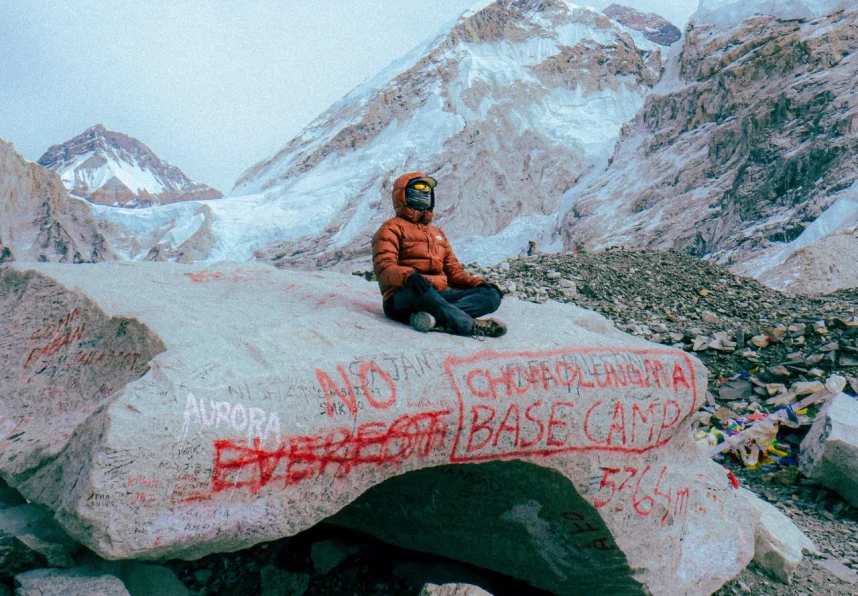
Everest Base Camp (EBC) is the starting point for mountaineers attempting to climb Mount Everest, the world’s highest peak at 8,848.86 meters (29,031 ft). Located at an altitude of about 5,364 meters (17,598 ft) in Nepal’s Khumbu region, it is not just a mountaineer’s staging ground but also one of the most popular trekking destinations in the world.
For trekkers, reaching Everest Base Camp is a dream adventure, offering the chance to walk through Sherpa villages, Buddhist monasteries, and breathtaking landscapes of the Himalayas. Along the trail, you get incredible views of iconic peaks like Everest, Lhotse, Nuptse, Ama Dablam, and Pumori.
While climbers use the base camp as a preparation site for summiting Everest, trekkers visit it to experience the unique atmosphere, stand in the shadow of the world’s tallest mountain, and enjoy the journey through Sagarmatha National Park, a UNESCO World Heritage Site.
The trek is considered moderate to challenging. You don’t need prior climbing experience, but good physical fitness and stamina are required as the trek involves long walking days and high-altitude terrain.
The maximum altitude is 5,545 meters (18,192 ft) at Kala Patthar, which offers the best panoramic views of Mount Everest. Everest Base Camp itself lies at 5,364 meters (17,598 ft).
Not necessarily. Beginners can do this trek with proper preparation and fitness training. However, previous multi-day trekking experience is helpful.
The best seasons are spring (March–May) and autumn (September–November) when the weather is clear, and the views are stunning. Winter and monsoon treks are possible but more challenging.
Yes. Since the trek reaches over 5,000 meters, altitude sickness is possible. The itinerary includes acclimatization days in Namche Bazaar and Dingboche to minimize risks. Trekkers are advised to walk slowly, stay hydrated, and avoid rushing.
Yes, travel insurance is mandatory and should cover high-altitude trekking, accidents, and emergency helicopter evacuation.
My mom and I have wanted to do this trip for a very long time and it did not disappoint. Learning about the culture of the mountains, the Nepali residents in each town, the endless nature, and our knowledgeable guide Sushanta was truly a blessing

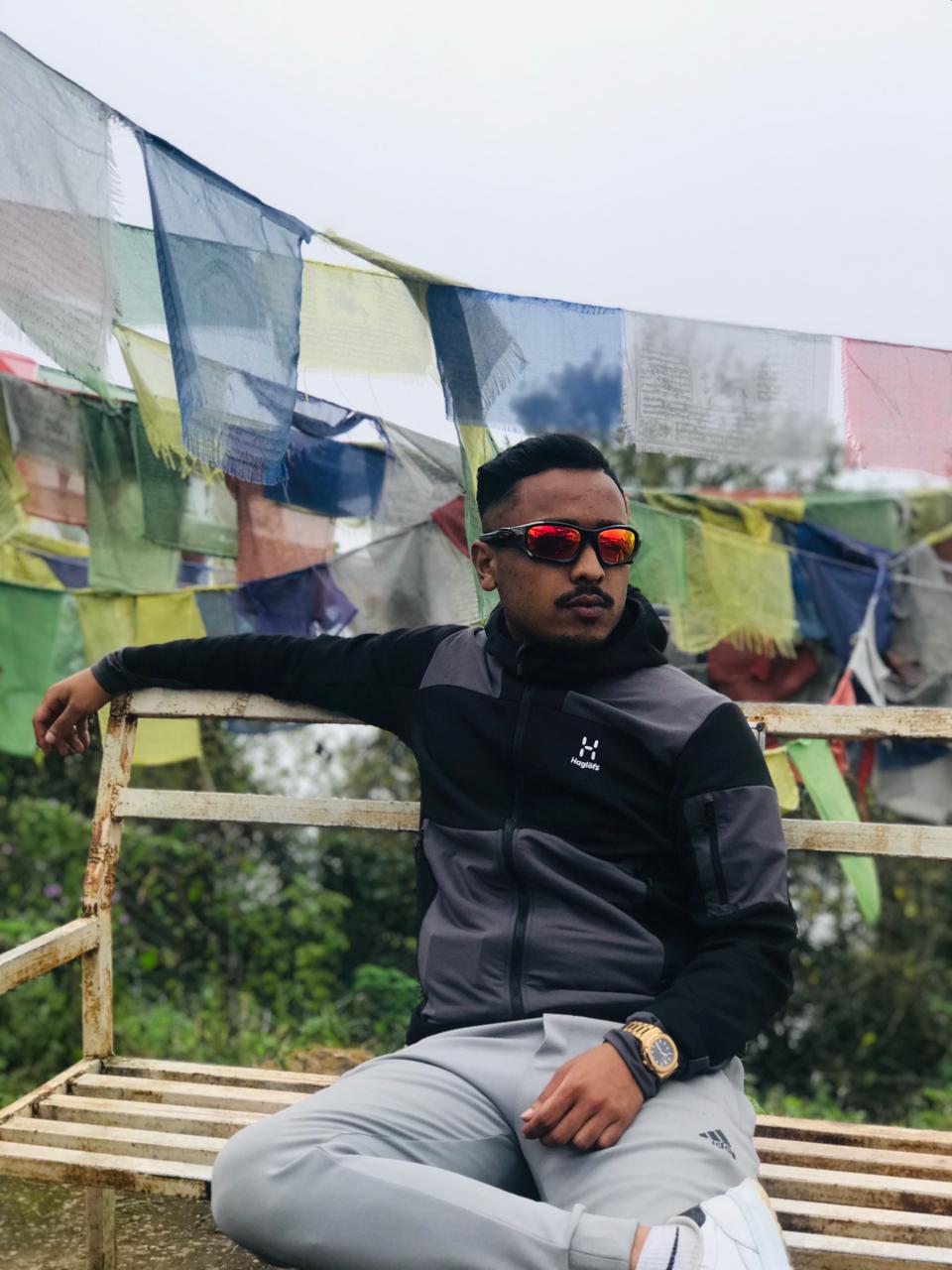
With 10+ years of expertise in Nepal, Tibet, and Bhutan, Binaya is the right person to help you create a trip you’ll never forget.