
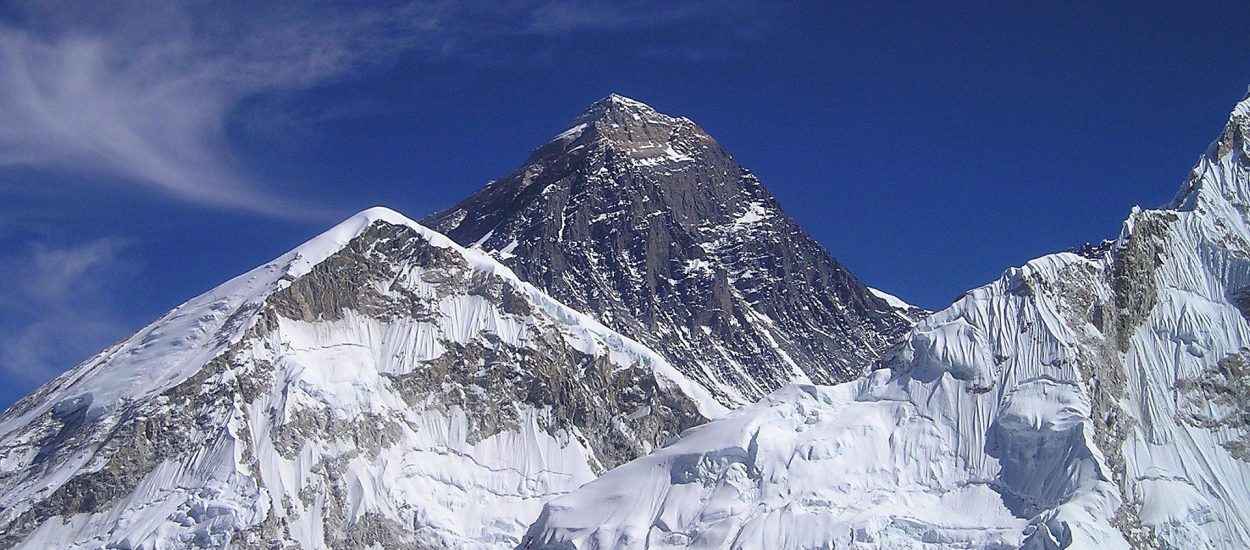
The Everest Base Camp Trek 15 days is one of the world’s most iconic trekking routes, taking adventurers through the heart of Nepal’s Khumbu region to the foot of the world’s highest mountain, Mount Everest (8,849m). This isn’t a technical climb — no mountaineering skills or equipment are required — but it is a serious high-altitude trek that demands good fitness and mental resilience.
The classic trek typically takes 12–14 days round trip, starting with a dramatic flight into Lukla (2,860m), one of the world’s most thrilling airstrips. From there, trekkers follow the Dudh Kosi river valley through Sherpa villages like Phakding and Namche Bazaar, the bustling trading hub of the Khumbu. The trail continues through Tengboche (home to a famous monastery), Dingboche, and Lobuche before reaching Everest Base Camp (5,364m). Most trekkers also climb Kala Patthar (5,545m) for the best close-up views of Everest’s summit, since Base Camp itself doesn’t offer a clear view of the peak.
Along the way, trekkers pass through Sagarmatha National Park, a UNESCO World Heritage Site, encountering stunning views of Ama Dablam, Lhotse, Nuptse, and other Himalayan giants, alongside rich Sherpa culture, prayer flags, monasteries, and yak caravans.
The main challenge is altitude, not terrain — proper acclimatization days are built into itineraries to reduce the risk of altitude sickness. A moderate-to-good fitness level, layered clothing, and sturdy trekking boots are essential.
The trek is best done in spring (March–May) or autumn (September–November), when skies are clear and temperatures are more stable.
Overall, the EBC Trek offers an unforgettable blend of natural grandeur, cultural immersion, and personal achievement.
Day 1: Arrival in Kathmandu (1,400m)
Day 2: Fly to Lukla (2,860m), Trek to Phakding (2,610m)
Day 3: Trek to Namche Bazaar (3,440m)
Day 4: Acclimatization Day in Namche Bazaar
Day 5: Trek to Tengboche (3,860m)
Day 6: Trek to Dingboche (4,410m)
Day 7: Acclimatization Day in Dingboche
Day 8: Trek to Lobuche (4,910m)
Day 9: Trek to Gorak Shep (5,164m), then Everest Base Camp (5,364m) and back to Gorak Shep
Day 10: Hike to Kala Patthar (5,545m) at Sunrise, Trek to Pheriche (4,240m)
Day 11: Trek to Namche Bazaar (3,440m)
Day 12: Trek to Lukla (2,860m)
Day 13: Fly back to Kathmandu
Day 14: Buffer Day / Kathmandu Sightseeing
Day 15: Departure

The Everest region has four distinct seasons, each offering a very different trekking experience. Here’s a breakdown of each:
Spring is one of the most popular times to trek to Everest Base Camp. Temperatures gradually warm up as the season progresses, days are longer, and skies are generally clear with excellent mountain visibility. Rhododendron forests bloom in vibrant reds, pinks, and whites along the lower trails, adding striking color to the landscape. This is also the primary Everest summit climbing season, so the trail is lively with expedition teams heading to Base Camp. Daytime temperatures at lower elevations are pleasant (10–20°C), while nights at higher altitudes can still drop below freezing. Because of its popularity, teahouses and trails can get crowded, so early booking is recommended.
This season brings heavy rainfall, humidity, and frequent cloud cover, especially in the lower Khumbu valleys. Trails can become muddy and slippery, leeches are common in forested areas, and mountain views are often obscured by clouds and mist. Flight delays and cancellations to/from Lukla are also more frequent due to poor visibility. However, the upper Khumbu (above Namche) receives less rain due to a rain-shadow effect, and the landscape becomes lush and green. This season is generally not recommended for EBC trekking unless you’re prepared for wet conditions and flexible with your schedule.
Autumn is widely considered the best and most favored season for the EBC trek, rivaling spring in popularity. Post-monsoon skies are exceptionally clear, offering some of the best mountain visibility of the year, with stunning, unobstructed views of Everest, Lhotse, Ama Dablam, and other peaks. Temperatures are stable and comfortable for trekking — mild during the day and cold but manageable at night. This is also a culturally rich time, coinciding with major Nepali festivals like Dashain and Tihar. As with spring, expect busier trails and teahouses, so advance planning helps.
Winter offers the quietest trails and teahouses, along with crisp, clear skies for much of the season. However, temperatures drop significantly, especially at higher elevations, where nights can fall well below -15°C to -20°C, and snowfall can block high passes or make trails more challenging. Days are shorter, and some teahouses at higher altitudes may close due to low tourist numbers. This season is best suited for well-prepared, cold-tolerant trekkers seeking solitude and dramatic snow-covered scenery, though extra gear (like insulated sleeping bags and crampons) is essential.
| Season | Weather | Crowds | Views | Difficulty |
| Spring (Mar–May) | Mild, blooming flowers | High | Excellent | Moderate |
| Summer/Monsoon (Jun–Aug) | Wet, humid | Low | Poor (cloudy) | Harder (mud, leeches) |
| Autumn (Sep–Nov) | Clear, stable | High | Excellent | Moderate |
| Winter (Dec–Feb) | Cold, dry | Very low | Clear but cold | Harder (extreme cold) |
Recommendation: For first-time trekkers, spring (March–May) or autumn (September–November) offer the best balance of good weather, safety, and stunning mountain views.
The flight to Lukla is the gateway to the Everest Base Camp trek — and one of its most talked-about experiences. Here’s what you need to know:
Lukla Airport (officially Tenzing-Hillary Airport) sits at 2,845m in the Khumbu region of northeastern Nepal. It’s famous — and sometimes notorious — for its short, sloped runway, which requires highly skilled pilots flying small aircraft to land safely amid unpredictable mountain weather.
This is the most important update for trekkers to understand. Since 25 September 2025, the Civil Aviation Authority of Nepal (CAAN) has operated all flights to Lukla from Ramechhap Airport (RCH) instead of Kathmandu during peak trekking seasons. This shift happens because Kathmandu’s airport is Nepal’s only international gateway while also handling hundreds of domestic flights daily, and during peak months the volume of Everest-bound travelers creates a bottleneck where international flights take priority, often leaving Lukla-bound planes waiting for hours.
During peak season (roughly March–May and September–November):
Outside peak season, flights typically operate directly from Kathmandu’s domestic terminal and take 30 to 35 minutes.
Ramechhap sits at just 474 metres, well below the cloud and wind patterns that affect Kathmandu at 1,400 metres, and it has no competing international traffic. This gives pilots a wider, cleaner weather window, allowing airlines to run multiple rotations to Lukla in a single morning with far fewer delays than when everything funnels through Kathmandu.
The route is served by Tara Air, Summit (Goma) Air, and Sita Air, operating daily scheduled flights in season using small STOL (Short Take-Off and Landing) aircraft like Twin Otters, Dorniers, and LET-410s, built specifically for mountain airstrips.
Most Lukla flights allow 10 kg checked baggage plus 5 kg hand-carry — pack light, since porters will carry the rest during the trek.
This is a sensitive and evolving logistical topic (flight schedules, departure airports, and prices change with the season and CAAN policy) — I’d recommend confirming exact details with your trekking agency close to your departure date.
Arrive at Tribhuvan International Airport and transfer to your hotel in Kathmandu. Spend the day resting, exchanging currency, and picking up any last-minute trekking gear. In the evening, attend a pre-trek briefing where your guide reviews the itinerary, permits, and packing checklist. Overnight in Kathmandu.
An early morning flight takes you from Kathmandu to Lukla's Tenzing-Hillary Airport, one of the most scenic and thrilling airstrips in the world. From Lukla, begin trekking through pine forests and small villages, descending gently alongside the Dudh Kosi River to reach Phakding. Trek duration: 3–4 hours. Overnight in Phakding.
Cross several suspension bridges over the Dudh Kosi River, including the famous Hillary Suspension Bridge. Enter Sagarmatha National Park (permit checkpoint at Monjo), and begin a steep climb through forest to reach Namche Bazaar, the bustling trading hub of the Khumbu region. On clear days, you may catch your first glimpse of Everest along the way. Trek duration: 5–6 hours. Overnight in Namche.
A crucial rest day for altitude acclimatization. Rather than staying idle, take a short hike up to the Everest View Hotel (3,880m) for panoramic views of Everest, Lhotse, and Ama Dablam, or explore the Sherpa Culture Museum and local markets. Namche's shops, bakeries, and cafés offer a good chance to relax before heading into higher terrain. Overnight in Namche.
Follow a scenic trail with views of Ama Dablam, Kwangde, and Thamserku. Descend to the Dudh Kosi River, cross a suspension bridge, then climb steeply through rhododendron forest to Tengboche, home to the largest and most famous monastery in the Khumbu. If timed well, you can attend an evening prayer ceremony. Trek duration: 5–6 hours. Overnight in Tengboche.
Descend through forest to Debuche, cross the Imja Khola, and pass through Pangboche village, known for its ancient monastery. The trail opens into higher alpine terrain with views of Ama Dablam looming close overhead. Arrive in Dingboche, a farming village surrounded by stone-walled fields. Trek duration: 5–6 hours. Overnight in Dingboche.
A second essential acclimatization day. Hike up Nagarjun Hill (5,100m) for sweeping views of Makalu, Lhotse, and the Imja Valley, or take a gentler walk to Chukhung village. This altitude gain-and-return hike helps your body adjust before pushing higher. Overnight in Dingboche.
Continue north, passing Thukla and climbing the Thukla Pass, where memorial chortens honor climbers who lost their lives on Everest. The trail becomes rockier and more remote as you approach Lobuche, with the Khumbu Glacier visible nearby. Trek duration: 5–6 hours. Overnight in Lobuche.
An early start along the Khumbu Glacier moraine leads to Gorak Shep, a small settlement on a dry lakebed. After checking in, continue to Everest Base Camp itself, weaving through rocky glacial terrain to reach the iconic site beneath the Khumbu Icefall. Note: Everest's summit is not visible from Base Camp. Return to Gorak Shep for the night. Trek duration: 7–8 hours (long day).
Before dawn, climb Kala Patthar, the trek's highest point, for the best close-up sunrise views of Mount Everest's summit along with Nuptse, Lhotse, and Pumori. Return to Gorak Shep for breakfast, then descend to Pheriche, a village with better air and more comfortable lodges. Trek duration: 7–8 hours.
Begin the descent, retracing the route through Pangboche and Tengboche, enjoying the rhododendron forests and mountain views once more, this time with easier breathing as you drop in elevation. Trek duration: 6–7 hours. Overnight in Namche.
The final trekking day retraces the trail back through Phakding to Lukla, crossing familiar suspension bridges and passing through villages one last time. Celebrate the completion of the trek with your guides and porters in the evening. Trek duration: 6–7 hours.
Take the morning flight from Lukla back to Kathmandu. The rest of the day is free — rest at your hotel, get a well-earned massage, explore Thamel's shops and restaurants, or simply relax after nearly two weeks in the mountains.
Built in as a buffer in case of flight delays from Lukla (common due to weather), this day can otherwise be used for sightseeing in Kathmandu — visiting UNESCO World Heritage Sites such as Swayambhunath (Monkey Temple), Boudhanath Stupa, or Pashupatinath Temple.
Transfer to Tribhuvan International Airport for your final departure flight home, bringing your Everest Base Camp adventure to a close.
The EBC trek uses a teahouse (lodge) system — family-run guesthouses along the trail that provide both accommodation and meals. There are no camping requirements for the standard route.
What to expect:
Room availability: During peak season (spring/autumn), teahouses can fill up quickly, so many trekking agencies book ahead or send a guide ahead to secure rooms.
Progression: Accommodation is more comfortable in lower villages like Namche and Phakding — some even have bakeries, bars, and en-suite rooms — while places like Lobuche and Gorak Shep offer very basic, functional rooms focused purely on shelter and warmth.
Meals are included in most trekking packages and are typically breakfast, lunch, and dinner at teahouses along the route.
Typical menu items:
Prices increase with altitude since everything is carried up by porters or yaks — a plate of dal bhat that costs $4–5 in Lukla might cost $10–12 near Base Camp.
Bottom line: While food and accommodation on the EBC trek are simple by Western standards, they’re comfortable enough for a good night’s rest and hearty enough to keep you fueled — and part of the charm of the trek is the warm, communal teahouse experience each evening.
Tips:
No technical climbing or mountaineering experience is required. However, some prior hiking or trekking experience is helpful for building stamina and mental readiness. A good level of cardiovascular fitness, along with a few months of preparation (hiking, running, or stair climbing), is more important than prior experience.
Altitude sickness (AMS) is the most common health risk on the trek, since you climb above 5,000m where oxygen levels are significantly lower. The best prevention is a well-paced itinerary with built-in acclimatization days (such as at Namche Bazaar and Dingboche), staying well-hydrated, ascending gradually, and avoiding alcohol at altitude. Many trekkers also carry Diamox (acetazolamide) as a preventive measure, though this should be discussed with a doctor beforehand.
Costs typically range from $1,200–$2,000+ depending on the operator, group size, and season. Standard packages usually include permits, teahouse accommodation, meals during the trek, domestic flights (Kathmandu–Lukla), and a guide/porter. Excluded items usually include international flights, travel insurance, personal gear, tips, and extra costs like Wi-Fi or hot showers.
As of April 2023, Nepal's government requires all trekkers in the Khumbu region to be accompanied by a licensed guide — independent solo trekking is no longer permitted. Porters are optional but highly recommended to reduce physical strain, especially at high altitude, and hiring one also supports the local economy.
The success rate is generally high — around 95–98% for trekkers who follow a well-paced itinerary (12+ days) with proper acclimatization. Most trekkers who don't make it are forced to turn back due to altitude sickness from ascending too quickly, rather than physical inability, which is why a longer itinerary and listening to your body are strongly recommended.


With 10+ years of expertise in Nepal, Tibet, and Bhutan, Binaya is the right person to help you create a trip you’ll never forget.