
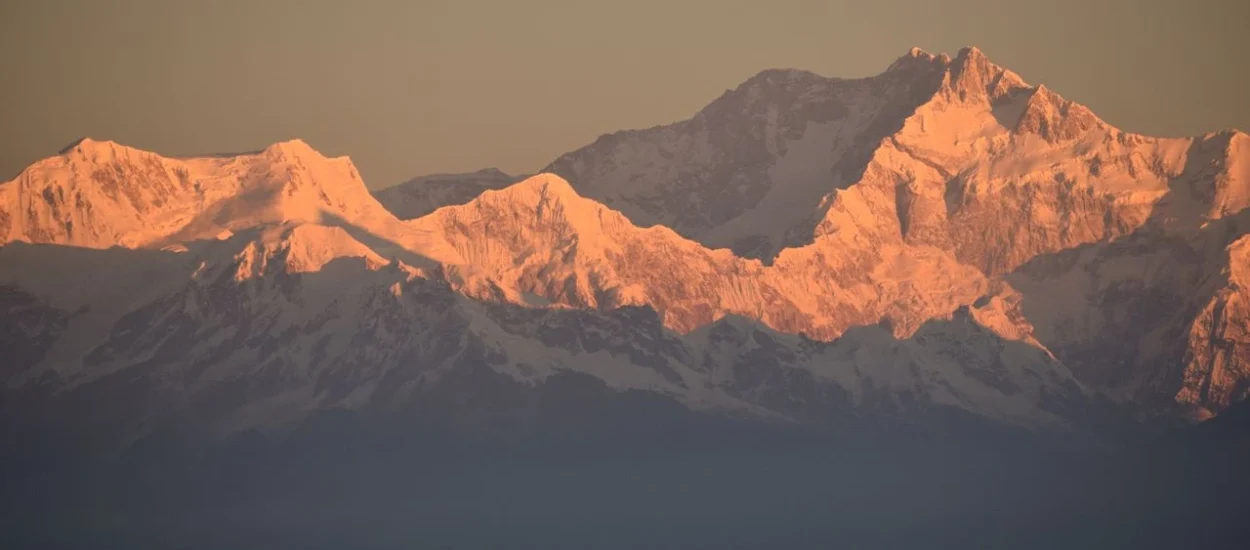
The Kanchenjunga Trek – 22 Days ranks among Nepal’s premier off-the-beaten-path adventures, tucked away in the remote eastern reaches of the Taplejung District. Often referred to as the Kanchenjunga Circuit Trek, this route leads adventurers to the base of Mount Kanchenjunga from both directions.
This journey is widely regarded as one of the longest and toughest trekking routes Nepal has to offer. The trail winds its way to the foot of Mt. Kanchenjunga (8,586 m), the third-tallest peak on the planet.
Its classification as a difficult trek stems largely from how isolated, demanding, and untouched the region remains. Because of this, relatively few trekkers have ventured into this corner of the Himalayas.
Trekkers seeking a shorter version can opt to customize their itinerary around just the North Base Camp or just the South Base Camp with All Himalayan Treks.
Keep in mind that solo trekking is not permitted here — the Nepalese government classifies Kanchenjunga as a restricted trekking area, meaning visitors must obtain a special restricted-area permit and trek with a licensed guide.
When measured against other well-known routes like the Annapurna Circuit or Manaslu Circuit, the Kanchenjunga Trek stands out as considerably more demanding, largely due to its remoteness and limited infrastructure.
Successfully completing this trek calls for solid physical conditioning and mental toughness. It rewards those who prepare thoroughly, follow a carefully mapped route, stay determined, and are ready to push beyond their comfort zone amid some of Nepal’s most spectacular scenery.
This 22-day expedition begins in Bhadrapur, following a route similar to the popular Ilam tour. Getting to Bhadrapur takes roughly an hour by flight from Kathmandu’s Tribhuvan International Airport (TIA).
Set deep in Nepal’s eastern highlands, the trek involves overnight stays in tea houses along the way. Some days bring a moderate 5–6 hour walk, while others stretch to a demanding 8-hour trekking day.
Tea house amenities are basic, and they grow increasingly minimal at higher elevations. Some trekkers choose to camp near the base camp areas of the Kanchenjunga massif for a more immersive experience.
Beyond physical stamina, this trek tests mental resilience — trekkers need to be ready to handle unpredictable weather, rugged remoteness, high-altitude conditions, long trekking days, and biting cold at elevation.
If you’re confident in your fitness level and willing to prepare properly, this trek could be an unforgettable challenge worth taking on.
While the trek’s reputation for difficulty can sound intimidating, thousands of trekkers have successfully completed it. Data shows that with adequate preparation and the right timing — ideally spring or autumn — the Kanchenjunga Trek boasts a 98% success rate.
Difficulty: Hard — frequent steep ascents and descents
Duration: 18 days
Maximum Altitude: 5,140 m
Accommodation: Tea houses
Start/End Point: Kathmandu
Difficulty: Hard — frequent steep ascents and descents
Duration: 14 days
Maximum Altitude: 4,800 m
Accommodation: Tea houses
Start/End Point: Kathmandu
Difficulty: Strenuous — limited facilities at high elevation
Duration: 22 days
Maximum Altitude: 5,160 m
Accommodation: Tea houses
Start/End Point: Kathmandu
Day 01: Flight from Kathmandu to Bhadrapur (approx. 1 hour), followed by a drive to Ilam
Day 02: Drive from Ilam to Taplejung
Day 03: Trek from Taplejung to Chirwa
Day 04: Trek from Chirwa to Lelep
Day 05: Trek from Lelep to Amjilosa
Day 06: Trek from Amjilosa to Gyabla
Day 07: Trek from Gyabla to Ghunsa
Day 08: Acclimatization day in Ghunsa
Day 09: Trek from Ghunsa to Kambachen
Day 10: Acclimatization day in Kambachen
Day 11: Trek from Kambachen to Lhonak
Day 12: Day hike to Kanchenjunga North Base Camp
Day 13: Trek from Lhonak back to Ghunsa
Day 14: Trek from Ghunsa to Sele La
Day 15: Trek from Sele La to Cheram
Day 16: Day hike to Kanchenjunga South Base Camp
Day 17: Trek from Cheram to Torongding
Day 18: Trek from Torongding to Yamphuding
Day 19: Trek from Yamphuding to Khebang
Day 20: Trek from Khebang to Khamdime
Day 21: Drive from Khamdime to Bhadrapur
Day 22: Return flight to Kathmandu
The ideal window for tackling the Kanchenjunga Circuit falls in April, May, and early June, along with October, November, and early December. These months bring the most favorable trekking conditions — stable weather, moderate temperatures, minimal rainfall, clear mountain views, pleasant days, and cooler nights.
Summer (monsoon) and winter are considered off-season for this trek due to harsh conditions. Heavy monsoon rainfall swells rivers, making crossings dangerous, and flood risk rises significantly during this period.
Winter brings its own challenges, with daytime temperatures dropping below freezing and nighttime lows plunging past -20°C at higher elevations. Combined with heavy snowfall, these frigid conditions make winter trekking considerably more difficult.
Note: Given how demanding the Kanchenjunga Trek already is, choosing the right season is essential for safety and comfort. All Himalayan Treks strongly advises against attempting this trek during the winter or monsoon months.
Altitude sickness is one of the biggest challenges trekkers face on this route. It can affect anyone at high elevation, caused by the drop in available oxygen as you climb higher, which your body must work to adjust to.
Symptoms typically begin appearing above 3,000 meters, with risk increasing further the higher you ascend. Since the Kanchenjunga Trek reaches a remarkable 5,143 m (16,873 ft) at its highest point, the risk of altitude sickness is a real consideration on this journey.
Acute Mountain Sickness (AMS), the early and most common stage of altitude sickness, is generally manageable and treatable. However, if symptoms go unaddressed, they can progress into more severe conditions like HAPE (High Altitude Pulmonary Edema) or HACE (High Altitude Cerebral Edema).
Learn to recognize the early warning signs and follow proper prevention practices. Medication such as Diamox can help lower your risk. Most importantly, always inform your guide immediately if you experience any discomfort or symptoms during the trek.
Completing the full Kanchenjunga Trek typically requires a minimum of three weeks, making it one of Nepal’s longer trekking commitments.
Expect demanding trekking days of 6–7 hours on average, with some stretches pushing up to 8 hours of hiking — a key factor behind the trek’s strenuous rating.
The Kanchenjunga Trek ventures deep into eastern Nepal’s most isolated corners. Far removed from urban centers, facilities along the route are minimal, requiring trekkers to be largely self-reliant.
With a maximum elevation of 5,143 m (16,873 ft), this trek carries a genuine risk of altitude-related illness at higher points along the route.
Because the region is so remote, tea houses are sparse and food choices grow increasingly limited compared to more popular trekking regions.
This trek isn’t forgiving for those lacking solid physical conditioning. First-time trekkers are generally advised to steer clear, as the terrain and duration present a steep learning curve.
The Kanchenjunga Circuit should only be attempted during the optimal spring and autumn windows — monsoon and winter conditions make trekking considerably riskier and less enjoyable.
Solid preparation — physical, mental, and financial — makes all the difference on a trek this demanding. Here’s a step-by-step approach:
Before booking, thoroughly research the trek’s route, difficulty, and requirements to plan effectively.
Understand what each trekking season offers and choose your travel dates accordingly for the best experience.
A trustworthy agency will manage logistics, permits, meals, your guide, porter, and accommodation on your behalf, taking much of the stress out of planning.
Confirm your passport has at least six months of validity remaining from your Nepal entry date, and purchase travel insurance from a reputable provider.
Prior high-altitude trekking experience helps you understand acclimatization. Begin a fitness routine incorporating cardio, strength training, endurance work, and flexibility exercises at least 3–4 months before your trip.
Review the itinerary carefully, along with what’s included and excluded in your package, so you can budget accurately for the full trip.
Before booking, review the full Kanchenjunga itinerary on our website, including inclusions, exclusions, and booking terms and conditions.
To reserve your spot, simply fill out the booking form for your chosen package. Once received, our team will reach out with further trek details.
A 30% deposit of the total package cost (in USD) secures your booking and covers arrangements for food, accommodation, and transportation. Once we receive your deposit, we’ll send a confirmed booking. The remaining balance can be paid after you arrive in Nepal, before setting out on the trek.
Pricing for the Kanchenjunga Trek depends on group size, trip duration, and the specific services included. Below is All Himalayan Treks’ estimated group pricing:
| Group Size | Cost Per Person |
| 2 people | $2,200 |
| 3–5 people | $2,100 |
| 6–8 people | $2,000 |
| 9–12 people | $1,900 |
| 13–20 people | $1,800 |
Your Kanchenjunga trekking adventure kicks off with a private vehicle transfer from your hotel to the airport. From there, a scenic domestic flight carries you over Kathmandu's cityscape, winding rivers, dry lowlands, green hillsides, forested slopes, and distant mountain ranges before touching down in Bhadrapur roughly an hour later.
Your trekking guide and support crew, including a porter, will be waiting to welcome you at the airport. From there, you'll set off on a picturesque drive to Ilam, home to one of Nepal's most celebrated tea estates. Ilam makes for a gorgeous overnight stop before officially beginning the Kanchenjunga Trek.
Highest Altitude: 1,627 m
Driving Time: 5 hours (Bhadrapur to Ilam)
Overnight Stay: Hotel in Ilam
Meals: Breakfast, Lunch, Dinner
Rise early to catch Ilam's beautiful sunrise and morning scenery. After breakfast, you'll continue your road journey toward Taplejung, arriving in the afternoon following a roughly 5-hour drive. Once settled into your hotel, take some time to wander and explore this eastern Nepal trekking gateway.
Highest Altitude: 1,442 m
Driving Time: 5 hours (Ilam to Taplejung)
Overnight Stay: Hotel in Taplejung
Meals: Breakfast, Lunch, Dinner
With an early breakfast behind you, the real trekking adventure begins. Leaving Taplejung, the trail winds past village settlements and terraced farmland before climbing and dropping through forested paths, crossing several suspension bridges en route to Mitlung.
From Mitlung, the trail follows the banks of the Thiwa Khola river, crossing a rickety wooden bridge before continuing on to Chirwa, a riverside settlement along the Tamor River, where you'll overnight in a cozy tea house.
Highest Altitude: 1,270 m
Trekking Time: 6 hours
Overnight Stay: Tea house in Chirwa
Meals: Breakfast, Lunch, Dinner
Today's trek weaves through dense forest alongside the rushing Tamor River before the trail leads toward the Simbua River and Ghunsa Khola, crossing multiple suspension bridges along the way. After several hours of walking, you'll reach Lelep, a Tibetan-influenced village where locals can be seen farming and tending livestock against a backdrop of rolling green hills.
Highest Altitude: 1,860 m
Trekking Time: 7 hours
Overnight Stay: Tea house in Lelep
Meals: Breakfast, Lunch, Dinner
Leaving Lelep, the trail descends toward the river, crossing a wooden suspension bridge with scenic waterfalls nearby. The route continues along the riverbank with several river crossings before a steep climb near the end of the trail. A tea house stop offers lunch with clear mountain views before the final push — roughly 90 minutes — to reach Amjilosa, where you'll spend the night.
Highest Altitude: 2,510 m
Trekking Time: 5 hours
Overnight Stay: Tea house in Amjilosa
Meals: Breakfast, Lunch, Dinner
After a filling breakfast, set off on a 7-hour trekking day toward the village of Gyabla. The trail first heads toward the river before winding through oak and bamboo forest — keep an eye out for wildlife, including Himalayan black bears. After a flat stretch, the trail climbs steadily uphill into Gyabla.
Highest Altitude: 2,730 m
Trekking Time: 7 hours
Overnight Stay: Tea house in Gyabla
Meals: Breakfast, Lunch, Dinner
Bid farewell to Gyabla and set off through forest trail alongside the Ghunsa River toward Phale village. Break for lunch in this Buddhist settlement and take time to explore its monastery (gompa). From there, roughly two more hours of walking brings you to Ghunsa, where you'll overnight in a tea house.
Highest Altitude: 3,595 m
Trekking Time: 6 hours
Overnight Stay: Tea house in Ghunsa
Meals: Breakfast, Lunch, Dinner
Take a well-earned rest day in Ghunsa to help your body adjust to the altitude. Watch closely for any early signs of altitude sickness, avoid strenuous activity, and skip alcohol entirely.
Ghunsa is one of the larger, better-developed settlements in the region, with several shops where you can stock up on trekking essentials. Spend the day exploring the village and learning about local culture and daily life.
Refreshed from your rest day, resume the Kanchenjunga trekking route with an early breakfast before setting off toward Kambachen. Elevation gain comes quickly today, so stay well-hydrated and pace yourself to avoid altitude sickness.
The day rewards you with stunning Himalayan scenery, and with some luck, sightings of snow leopards and blue sheep. Once you arrive in Kambachen, be sure to catch the sunset view over Mt. Jannu.
Highest Altitude: 4,100 m
Trekking Time: 5–6 hours
Overnight Stay: Tea house in Kambachen
Meals: Breakfast, Lunch, Dinner
Spend a second rest day acclimatizing, this time above 4,000 meters. This is a crucial day to let your body adapt before pushing further into high-altitude terrain.
The trail grows noticeably more demanding as you leave Kambachen, crossing rocky, high-altitude terrain toward Ramtang. Along the way, you'll get sweeping distant views of the Kanchenjunga Glacier — well worth pausing for photos.
After roughly 7 hours of strenuous trekking, you'll reach Lhonak, a small cluster of stone shelters (rather than a true village) built to house passing trekkers.
Highest Altitude: 4,785 m
Trekking Time: 7 hours
Overnight Stay: Tea house in Lhonak
Meals: Breakfast, Lunch, Dinner
Today brings one of the trek's most rewarding challenges: a round-trip hike to Kanchenjunga North Base Camp. The trail starts out smooth before turning into rocky, icy terrain that slows your pace considerably.
Despite the difficulty, the reward is unforgettable — panoramic views of Kanchenjunga and its neighboring peaks from a viewpoint few trekkers ever reach. After taking in the scenery of the world's third-highest mountain and snapping plenty of photos, you'll retrace your steps back to Lhonak for the night.
Highest Altitude: 5,143 m
Trekking Time: 8 hours
Overnight Stay: Tea house in Lhonak
Meals: Breakfast, Lunch, Dinner
With the North Base Camp explored, the trail now heads back downhill toward Ghunsa.
Highest Altitude: 3,595 m
Trekking Time: 7 hours
Overnight Stay: Tea house in Ghunsa
Meals: Breakfast, Lunch, Dinner
From Ghunsa, the route now turns toward Kanchenjunga South Base Camp. The trail climbs through Phale village before ascending further to Sele La, where you'll spend the night.
Highest Altitude: 4,390 m
Trekking Time: 5 hours
Overnight Stay: Tea house in Sele La
Meals: Breakfast, Lunch, Dinner
After a hearty breakfast, set off early to tackle the challenging Sele La Pass (4,480 m). From there, descend to Chhuchung Lake before continuing over undulating terrain to the trek's highest pass, Nango La (4,750 m). A few more hours of trekking bring you to Cheram for the night.
Highest Altitude: 3,870 m
Trekking Time: 8 hours
Overnight Stay: Tea house in Cheram
Meals: Breakfast, Lunch, Dinner
Another highlight day awaits as you head to Kanchenjunga South Base Camp. Leave your main pack behind in Cheram for this lighter day hike. The trail leads first to Ramche, where you'll pause for breakfast and a short rest before continuing on.
Within about an hour from Ramche, you'll arrive at Kanchenjunga South Base Camp, set beside a glacier and adorned with colorful Tibetan prayer flags that lend the spot a serene, sacred atmosphere. After soaking in the Himalayan surroundings, retrace your route back to Cheram for the night.
Highest Altitude: 4,610 m
Trekking Time: 6 hours
Overnight Stay: Tea house in Cheram
Meals: Breakfast, Lunch, Dinner
Today's descent passes through terrain marked by past landslides, along with lovely stretches of forest. The trail runs close to Kanchenjunga National Park, offering a peaceful evening walk. After roughly 4 hours of hiking, you'll reach Torongding by evening.
Highest Altitude: 2,080 m
Trekking Time: 4 hours
Overnight Stay: Tea house in Torongding
Meals: Breakfast, Lunch, Dinner
Expect clear views of Jannu Peak throughout the day as the trail rises and falls through river valleys and canyons on the way to Yamphuding. At Lasya Bhanjyang, a welcoming Sherpa family runs a small tea shop, a good spot to rest and grab lunch.
While some trekkers consider camping here, limited water sources make it less than ideal. Waterfalls and rocky trail sections keep the day's hike engaging.
Highest Altitude: 1,980 m
Trekking Time: 8 hours
Overnight Stay: Tea house in Yamphuding
Meals: Breakfast, Lunch, Dinner
The route from Yamphuding to Khebang is remote, passing only a handful of small villages. Expect steep, rocky climbs that can be tough going, even at this relatively lower altitude. As you near Khebang, farmland begins to appear, signaling your approach to the village, where you'll spend the night in a tea house.
Highest Altitude: 1,910 m
Trekking Time: 4 hours
Overnight Stay: Tea house in Khebang
Meals: Breakfast, Lunch, Dinner
Your final trekking day in the Kanchenjunga region takes you through pleasant forest trail decorated with prayer flags. The route passes several colorful monasteries and temples, including the revered Hindu site of Pathivara Temple nearby. Once in Khamdime, take some time for a short village walk.
Highest Altitude: 1,500 m
Trekking Time: 4 hours
Overnight Stay: Tea house in Khamdime
Meals: Breakfast, Lunch, Dinner
After an early breakfast, settle in for a long road journey back to Bhadrapur, where a comfortable hotel awaits for the night.
Highest Altitude: 91 m
Driving Time: 10 hours
Overnight Stay: Hotel in Bhadrapur
Meals: Breakfast, Lunch, Dinner
A short 45-minute domestic flight from Bhadrapur returns you to the bustling capital of Kathmandu. Our team will meet you at the airport for your final transfer to the hotel, marking the end of your Kanchenjunga Trek adventure.
Highest Altitude: 1,400 m
Flight Time: 45 minutes
Overnight Stay: Hotel in Kathmandu
Meals: Breakfast, Lunch, Dinner
Proper nutrition is critical for maintaining energy and stamina throughout this demanding trek. What you eat has a direct impact on your health and your chances of a successful summit push.
At high altitude, factors like weather, temperature, and thinner air raise the risk of illness, making healthy eating even more important.
You’ll find a mix of traditional Nepali dishes and some international options along the Kanchenjunga trail, though menu variety shrinks the higher you climb.
Despite the limited choices at altitude, tea house meals remain nutritious and energy-dense. The classic Nepali staple, Dal Bhat, is a trekker favorite for good reason — giving rise to the popular trekking saying, “Dal Bhat Power, 24 Hour.”
Typical Breakfast Options: Cornflakes, porridge, pancakes, muesli, assorted egg dishes, Tibetan bread, buckwheat items, and chapati.
Typical Lunch & Dinner Options: Various Dal Bhat Tarkari sets, soups, pasta, momo (dumplings), pizza, spring rolls, sandwiches, macaroni, spaghetti, and Thukpa noodle soup.
Beverages: Drinking water, soft drinks, assorted teas and coffee, local drinks, and select international alcoholic beverages.
See also: Tea House Trekking in Nepal
Travel insurance is mandatory for anyone joining the Kanchenjunga Trek with All Himalayan Treks. Your policy must cover high-altitude trekking up to 5,000–6,000 meters, emergency helicopter evacuation, medical expenses, flight cancellations, and loss or theft of belongings.
Choose an insurance provider that covers all the specific needs of this trek, and read the policy’s terms and conditions carefully before purchasing. Be sure to carry proof of insurance with you throughout your time in Nepal.
Trekkers heading into the Kanchenjunga region must hold both a Special Restricted Area Permit (SRAP) and a Kanchenjunga Conservation Area Project (KCAP) permit. Since this area is officially designated as restricted, these permits are mandatory before starting the trek.
There’s no need to arrange these permits yourself — booking with All Himalayan Treks means we handle the entire permit process on your behalf, with permit costs already built into your package price.
The ideal trekking window falls in April, May, and early June, plus October, November, and early December. These months offer stable weather, clear skies, comfortable daytime temperatures, minimal rainfall, and more predictable forecasts.
Rated as strenuous on the standard trek difficulty scale, the Kanchenjunga Trek presents real challenges — a long itinerary, remote terrain, altitude sickness risk, limited facilities, and lengthy trekking days. That said, with thorough preparation and planning, it's an achievable goal for well-conditioned trekkers.
Not really. This trek is best suited to trekkers with prior high-altitude experience and solid physical fitness. Beginners are better off starting with shorter, easier trekking routes in Nepal before attempting something this demanding.
Since the route climbs to a maximum of 5,143 m (16,873 ft), altitude sickness is a real possibility at these elevations, and trekkers should stay alert to symptoms throughout the journey.
Aim for daily fitness training — cardio, strength building, and endurance work — for at least two hours a day, starting 2–3 months before departure. Prior high-altitude trekking experience is also highly beneficial.
Yes. All Himalayan Treks requires proof of valid travel insurance before you begin the trek.
Total costs typically range from $3,000 to $4,000 per person, varying based on season, service level, food and accommodation choices, and itinerary length.
No. Solo trekking isn't permitted in Nepal's restricted regions, including Kanchenjunga. You'll need to book through a licensed local agency, trek with a certified guide, and travel in a group of at least two people.
All Himalayan Treks arranges tea house accommodation in advance for all bookings. These lodges offer basic, cozy rooms — typically twin beds with a blanket, pillow, sheets, and simple furnishings. Don't expect air conditioning or heating, and toilets are often shared among guests.
Yes, most tea houses offer hot shower facilities, though availability becomes less reliable at higher elevations.
Yes, a licensed guide is mandatory, and groups must include at least two trekkers. Skipping a porter is possible but will make the journey significantly more physically demanding.
To reach the trek's starting point, you can choose between a local bus (budget-friendly) or a private 4-wheel-drive jeep (more comfortable and convenient, though pricier).


With 10+ years of expertise in Nepal, Tibet, and Bhutan, Binaya is the right person to help you create a trip you’ll never forget.