
Planning to fly from Ramechhap to Lukla? This comprehensive guide covers every transportation option from Kathmandu to Ramechhap Airport, including tourist shuttle buses, private cars, SUVs, shared jeeps, travel time, costs, pickup locations, booking tips, road conditions, luggage information, departure schedules, and expert advice to help international travelers enjoy a smooth and stress-free journey.
Why Ramechhap Instead of Kathmandu for Lukla Flights?
Since 2019, most Lukla-bound flights during the peak trekking seasons (spring and autumn) depart from Ramechhap’s small airstrip rather than Kathmandu’s Tribhuvan International Airport. This shift was made to reduce congestion in Kathmandu’s already busy airspace and to improve on-time performance for flights heading into the Everest region.
For trekkers, this means an additional overland journey of roughly 130 to 145 kilometers before ever setting foot on a plane. While this extra leg can feel like an inconvenience, especially after a long international flight, it is now a standard part of the Everest Base Camp and Three Passes trekking experience. Understanding your transportation options in advance can turn this logistical hurdle into a manageable, even scenic, part of the adventure. The drive winds through hill villages, terraced farmland, and river valleys, offering an early glimpse of rural Nepal before the trek even begins.
Most travelers choose to leave Kathmandu the evening before their scheduled flight, since Ramechhap flights typically depart very early in the morning, often before sunrise. This guide breaks down every method of getting from Kathmandu to Ramechhap transportation services, comparing comfort, cost, and convenience, so you can decide which option best fits your itinerary, budget, and tolerance for early mornings and winding mountain roads. Whether you are traveling solo, as a couple, or with a larger trekking group, there is a transportation option suited to your needs, and planning this leg properly can save you significant stress on what is already a demanding travel day before a multi-day trek.
Tourist Shuttle Buses
Tourist shuttle buses are the most popular and budget-friendly option for independent travelers heading to Ramechhap. These shuttles are typically operated by trekking agencies or transportation companies that specialize in the Kathmandu-Ramechhap route and run daily during peak trekking seasons. Buses usually depart from Kathmandu’s tourist hub in the late afternoon or early evening, around 5 to 7 PM, timed so passengers arrive in Ramechhap in time to rest before pre-dawn flight check-ins.
The vehicles are generally comfortable minibuses or coaches with padded seating, though air conditioning and legroom vary by operator, so it is worth checking reviews before booking. Prices for shuttle seats typically range from USD 15 to 25 per person, making this the most economical choice for solo trekkers or those on a budget. Seats can usually be booked through trekking agencies, hotels, or online booking platforms, and it is advisable to reserve at least a day or two in advance during high season, as buses fill up quickly. One important consideration is that shuttles operate on a fixed group schedule, meaning you cannot control departure timing as precisely as with a private vehicle.
Additionally, luggage space is shared among all passengers, so oversized duffel bags or excess gear may incur extra fees or require careful packing. Some shuttle services include an overnight stop at a guesthouse in Ramechhap as part of the package, while others simply drop passengers near the airport area for independent accommodation arrangements. Despite these minor limitations, tourist shuttles remain a reliable, social, and cost-effective way to reach Ramechhap, and many trekkers appreciate the chance to meet fellow travelers heading to the same region before their journey into the mountains begins.
Private Car Transfers
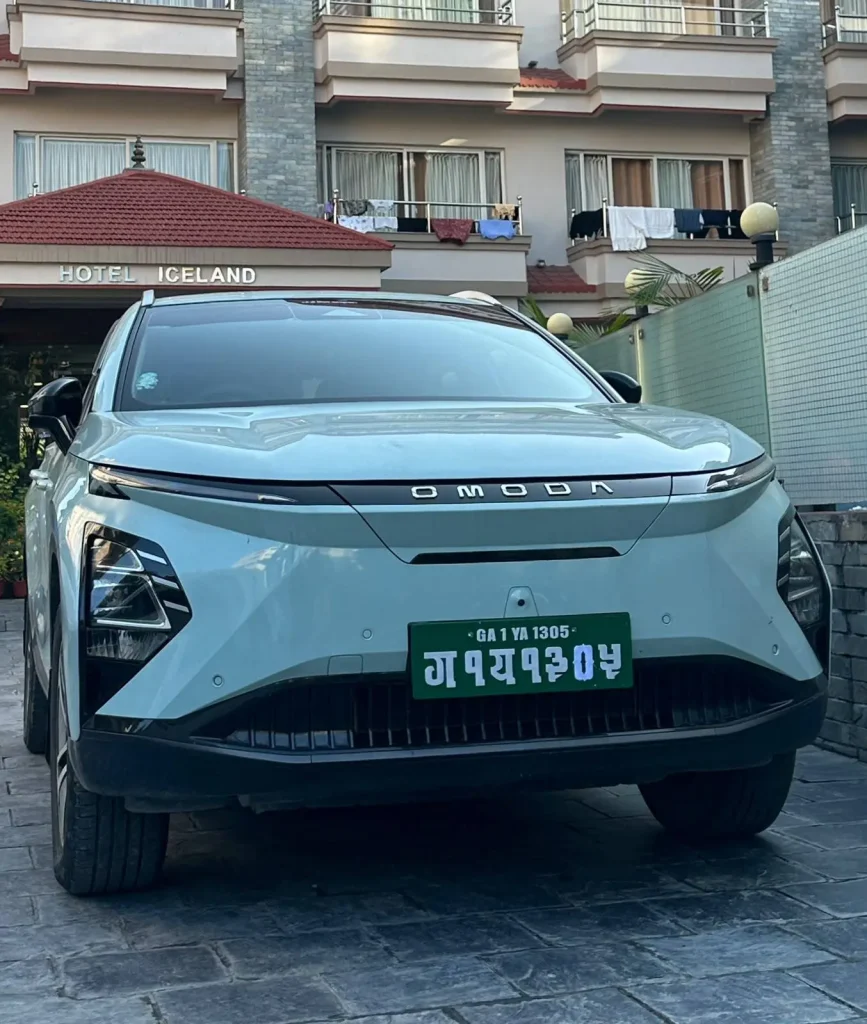
For travelers who prioritize comfort, flexibility, and privacy, hiring a private car is the preferred option, particularly for couples, families, or small groups willing to pay a premium. Private cars, usually sedans or small SUVs, can be booked directly through trekking agencies, hotels, or private transport companies operating in Kathmandu. The biggest advantage of this option is complete control over departure time, meaning travelers can leave Kathmandu whenever suits their schedule best, rather than adhering to a fixed shuttle timetable.
This is especially valuable for those arriving in Kathmandu on a tight connection or wanting to avoid an overly early or late departure. Private transfers typically cost between USD 100 and 180 for the entire vehicle, depending on the vehicle type, season, and negotiation, which becomes reasonably affordable when split among three or four passengers. Drivers on this route are usually experienced with the winding mountain roads and can navigate more efficiently than unfamiliar operators, often completing the journey in around five to six hours under good conditions, though this can extend during monsoon season or poor road conditions.
Private cars also allow for direct door-to-door service, picking travelers up from their hotel and dropping them close to accommodation in Ramechhap, eliminating the need to arrange separate local transport. Luggage handling is far more flexible, as the entire vehicle is dedicated to one party, accommodating trekking gear, duffel bags, and personal luggage without the space constraints found in shared vehicles. Many travelers combine a private car booking with an overnight stay at a Ramechhap guesthouse arranged by the same agency, creating a seamless, stress-free transition from Kathmandu to their early morning Lukla flight, which can be particularly reassuring for first-time visitors to Nepal.
SUVs and Larger Group Vehicles
For groups of five or more, or for trekkers carrying substantial gear such as climbing equipment or filming equipment, larger SUVs or four-wheel-drive vehicles offer a practical middle ground between shuttle buses and private sedans. These vehicles, often Toyota Land Cruisers, Boleros, or similar rugged SUVs, are particularly well-suited to the sometimes rough and winding sections of road between Kathmandu and Ramechhap, especially during or after monsoon rains when surfaces can become muddy or uneven. SUV hire typically costs between USD 150 and 250 for the vehicle, depending on the model, condition, and season, which becomes cost-effective when divided among a larger trekking party.
The higher ground clearance and four-wheel-drive capability of these vehicles provide added safety and comfort on the mountainous terrain, reducing the jostling and discomfort that can occur in smaller sedans on rough patches. Booking an SUV usually requires advance coordination with a trekking agency or private transport operator, as availability can be limited during the busiest trekking weeks in March, April, October, and November. Many operators offer package deals that include the SUV transfer, a guesthouse stay in Ramechhap, and even airport assistance for the Lukla flight check-in process, simplifying logistics for groups traveling together.
Luggage capacity is generally generous, with roof racks or rear cargo space accommodating duffel bags, backpacks, and trekking poles without issue. Drivers of these larger vehicles are typically well-versed in the specific challenges of the route, including narrow sections, occasional landslides during monsoon season, and the best rest stops along the way. For trekking groups organized through agencies, SUV transfers are often bundled directly into the overall trip cost, making this a convenient, low-hassle option that balances comfort, safety, and practicality for parties too large for a standard private car.
Shared Jeeps

Shared jeeps represent a middle-ground option between the affordability of tourist shuttles and the flexibility of private vehicles, appealing to budget-conscious travelers who still want a faster, more direct journey than a large bus can offer. These jeeps are typically shared among four to seven passengers who are all heading to Ramechhap around the same time, often coordinated informally at transport hubs or through smaller local operators rather than large international booking platforms.
Costs generally range from USD 20 to 40 per person, depending on how many passengers split the vehicle and the specific operator’s pricing structure, making it a reasonable alternative for solo travelers or pairs who want more flexibility than a scheduled shuttle but cannot justify the cost of a full private car.
Shared jeeps tend to be smaller and less structured than official tourist shuttles, which means departure times can be somewhat unpredictable, often leaving once the vehicle fills up rather than adhering to a strict schedule. This can work in a traveler’s favor if they arrive at a popular departure point during a busy period, as jeeps may fill and leave earlier than a fixed shuttle time, but it can also mean waiting for other passengers to arrive before departure. Luggage space is more limited than in private vehicles, so travelers with large duffel bags or excess trekking gear should confirm space availability beforehand or expect to pay a small additional fee.
Shared jeeps are commonly used by budget backpackers, porters, and local residents traveling the same route, offering a more authentic, local travel experience compared to tourist-oriented shuttles. While comfort levels vary and vehicles may be older or less well-maintained than dedicated tourist transport, shared jeeps remain a practical, economical choice for travelers prioritizing cost savings and willing to accept a bit more unpredictability in their journey to Ramechhap.
Travel Time and Road Conditions of Kathmandu to Ramechhap Transportation Services for Foreigners
The journey from Kathmandu to Ramechhap typically takes between four and six hours, though this can vary significantly based on vehicle type, traffic, weather, and time of departure. The route generally follows the BP Highway, a relatively modern road that has significantly reduced travel times compared to older routes through Sindhuli, though sections can still be affected by landslides, roadwork, or heavy fog, particularly during monsoon season from June through September.
Nighttime departures, common for shuttles and private cars aiming for early morning flights, often benefit from lighter traffic but require extra caution on winding mountain sections with limited visibility. Road conditions are generally paved and well-maintained on the main highway sections, though the final stretch approaching Ramechhap airport can include narrower, less developed roads with occasional potholes or unpaved patches.
During the dry season, from October through May, road conditions are typically at their best, with minimal weather-related delays, making this period the most reliable for predictable travel times. Conversely, monsoon season introduces the risk of landslides, temporary road closures, and slower travel due to slippery surfaces, so travelers flying during summer months should build extra buffer time into their schedule. Altitude changes along the route are moderate, winding through hill terrain rather than high mountain passes, but the road does include numerous switchbacks and curves that can cause motion sickness for sensitive travelers, so it is worth carrying motion sickness remedies if needed.
Rest stops are available at various points along the highway, offering basic food, tea, and restroom facilities, though options become more limited on the final approach to Ramechhap. Overall, while the road infrastructure has improved considerably in recent years, travelers should always build in extra time buffer, ideally departing the evening before an early flight, to account for unpredictable delays and ensure they arrive well-rested and stress-free for their Lukla departure.
Costs and Budget Considerations
Transportation costs from Kathmandu to Ramechhap vary considerably depending on the vehicle type chosen, ranging from as little as USD 15 for a shared tourist shuttle seat to USD 250 or more for a private SUV serving a larger group. Budget travelers can expect to pay between USD 15 and 40 for shuttle or shared jeep options, while those prioritizing comfort and flexibility should budget USD 100 to 250 for private car or SUV hire, depending on group size and vehicle quality.
It is important to note that prices often fluctuate seasonally, with costs typically rising during the peak trekking months of March through May and September through November, when demand for Lukla flights and associated transport surges dramatically. Many trekking agencies offer bundled packages that include Kathmandu-Ramechhap transport, an overnight guesthouse stay, and even Lukla flight coordination, which can sometimes offer better overall value than booking each component separately, particularly for first-time visitors unfamiliar with local logistics. When budgeting, travelers should also factor in the cost of an overnight stay in Ramechhap, typically USD 10 to 25 for a basic guesthouse room, as well as meals along the route and at the accommodation.
Tipping drivers, while not mandatory, is customary and appreciated, with USD 3 to 5 being a reasonable gesture for private transfers. It is worth noting that prices quoted by different agencies and operators can vary significantly, so comparing multiple sources, whether through online reviews, trekking forums, or direct agency inquiries, is recommended before committing to a booking.
Group travelers can often negotiate better per-person rates by booking private vehicles collectively rather than individually purchasing shuttle seats, particularly for groups of four or more. Overall, while this leg of the journey adds to the total trip cost, careful planning and comparison shopping can help travelers find an option that fits their budget without compromising on necessary comfort or reliability ahead of their trek.
Pickup Locations in Kathmandu
Most tourist shuttles and private transfers to Ramechhap depart from central Kathmandu, with Thamel serving as the primary pickup hub given its status as the city’s main tourist accommodation and trekking agency district. Hotels and guesthouses throughout Thamel are commonly included in shuttle pickup routes, though travelers staying outside this area should confirm pickup arrangements in advance, as some budget shuttle services may require passengers to meet at a central departure point rather than offering door-to-door hotel pickup.
Private car and SUV bookings typically offer more flexibility, with most operators willing to arrange pickup from any hotel or guesthouse within the greater Kathmandu valley, including areas like Boudha, Patan, or areas closer to Tribhuvan International Airport, though this may incur a small additional fee for locations further from the city center. It is advisable to confirm the exact pickup time and location the day before departure, as trekking agencies sometimes adjust timing based on group consolidation or road condition updates. Some operators use a designated departure point, such as a specific bus park or agency office, particularly for larger shuttle services consolidating passengers from multiple hotels into a single vehicle.
Travelers should keep their booking confirmation, whether a printed voucher or digital confirmation, easily accessible, as this is often required to verify their seat or vehicle assignment at the pickup point. For those arriving in Kathmandu on the same day as their Ramechhap departure, it is wise to build in a buffer of at least a few hours between international flight arrival and shuttle or car departure, allowing time for hotel check-in, gear organization, and unforeseen delays.
Clear communication with your booking agency regarding your specific hotel location and any special requirements, such as extra luggage or early check-out, will help ensure a smooth pickup experience and minimize the risk of missed connections on this crucial first leg of the journey.
Booking Tips
Booking transportation to Ramechhap well in advance is strongly recommended, particularly during peak trekking seasons when demand for both shuttle seats and private vehicles rises sharply alongside increased Lukla flight traffic. Ideally, travelers should arrange this leg of their journey at least three to five days ahead, and even earlier if traveling during the busiest weeks of April, October, or November, since popular operators can sell out quickly. Working through a reputable trekking agency, particularly one recommended by previous trekkers or with strong online reviews, generally offers more reliability than booking through unverified independent operators, as established agencies are more likely to have consistent vehicles, experienced drivers, and contingency plans for delays or cancellations.
When booking, travelers should clearly communicate their exact flight date and time, the number of passengers, luggage requirements, and any special needs, such as mobility considerations or dietary restrictions if an overnight stay package is included. It is wise to request written confirmation of the booking details, including pickup time, location, and total cost, to avoid misunderstandings on the day of departure. Many agencies now offer online booking through websites or messaging platforms like WhatsApp, which can simplify communication, especially for international travelers arranging logistics before arriving in Nepal.
Payment terms vary, with some operators requiring a deposit to secure the booking and the remainder due in cash upon pickup, so travelers should clarify accepted payment methods in advance, particularly since card payment options remain limited outside major hotels in Kathmandu. It is also worth asking directly about the agency’s contingency plan in case of flight delays or cancellations, which are common in the Everest region due to weather, as some agencies offer flexible rebooking for the return journey without additional charges. Finally, keeping a printed or digital copy of all booking confirmations, along with the agency’s direct contact number, ensures travelers have a reliable point of contact if any issues arise during the journey.
Luggage Information
Luggage allowances and handling vary considerably depending on the transportation option chosen, making it important for travelers to plan their packing accordingly before booking. Tourist shuttles and shared jeeps typically have more limited luggage space, as capacity is divided among all passengers, so travelers should expect a general allowance of one main duffel bag or backpack per person, with additional or oversized items potentially incurring extra fees or requiring advance notice to the operator.
Private cars and SUVs offer significantly more flexibility, as the entire vehicle is dedicated to one party, allowing for larger amounts of gear, including trekking equipment, climbing gear, or additional supplies, without the space constraints found in shared vehicles.
It is worth noting that Lukla flights themselves impose strict weight limits, typically around 15 kilograms of checked luggage plus 5 kilograms of hand luggage per passenger, so travelers should keep this in mind when packing for the Kathmandu-Ramechhap leg, as excess weight may need to be left behind in Kathmandu or shipped separately. Many trekking agencies offer luggage storage services in Kathmandu for items not needed during the trek, allowing travelers to travel lighter for the Ramechhap transfer and subsequent flight.
When traveling by shared shuttle or jeep, it is advisable to use a soft-sided duffel bag rather than a rigid suitcase, as these are easier to stow in shared cargo spaces and less likely to be damaged during the sometimes bumpy mountain journey. Valuables, electronics, and essential documents should always be kept in hand luggage rather than checked bags, given the multiple transfers involved in reaching Lukla. Labeling luggage clearly with name and contact information is also recommended, particularly for shared transport options where multiple passengers’ bags may be stored together, reducing the risk of confusion or misplacement during the journey.
Departure Schedules
Departure schedules from Kathmandu to Ramechhap are largely dictated by the early morning flight times typical of the Lukla route, with most Lukla flights departing between 6 and 8 AM to take advantage of calmer morning weather conditions before mountain winds increase later in the day.
As a result, the vast majority of travelers depart Kathmandu the evening before their scheduled flight, typically between 4 and 8 PM, allowing enough time to reach Ramechhap, check into overnight accommodation, and rest briefly before an early wake-up call for airport check-in, often around 4 or 5 AM. Tourist shuttle buses generally operate on fixed daily schedules during peak season, with specific departure windows set by each operator, so travelers should confirm exact timing when booking rather than assuming a standard schedule across all companies.
Private car and SUV transfers offer more flexibility, allowing travelers to select a departure time that best suits their arrival schedule in Kathmandu or personal preferences, though evening departures remain the most common choice given the early morning flight requirement. Some travelers opt for an early morning departure from Kathmandu on the same day as their flight, though this is generally discouraged due to the risk of traffic delays, road conditions, or unforeseen circumstances that could cause a missed flight, given the tight four-to-six-hour travel window.
Weather conditions can also influence departure timing, as agencies may adjust schedules in response to forecasted road hazards, particularly during monsoon season. It is advisable to maintain flexible expectations regarding exact departure and arrival times, as mountain travel in Nepal often involves minor delays, and building in buffer time reduces stress and ensures travelers arrive in Ramechhap with adequate rest before their early morning flight to Lukla.
Expert Advice for a Smooth Journey
Experienced trekkers and travel professionals consistently recommend several strategies to minimize stress on the Kathmandu-Ramechhap leg of the journey. First, booking transportation and Ramechhap accommodation as part of a single package through a reputable agency significantly reduces logistical complexity, particularly for first-time visitors unfamiliar with Nepal’s transportation landscape.
Second, travelers should always build in at least one full buffer day in Kathmandu before their scheduled Ramechhap departure, accounting for potential international flight delays, jet lag, or last-minute gear purchases, rather than attempting to arrange this transfer immediately upon arrival in Nepal. Third, given the possibility of Lukla flight delays or cancellations due to weather, which are common even outside monsoon season, travelers should avoid scheduling tight connections immediately before international departures, ideally allowing a buffer of two to three extra days at the end of their trip.
Packing a small daypack with essentials, including snacks, water, medication, and entertainment, is also recommended for the Kathmandu-Ramechhap drive itself, as the journey can extend beyond expected timeframes due to traffic or road conditions. Travelers prone to motion sickness should consider taking preventive medication before departure, given the winding nature of the mountain roads.
It is also wise to carry sufficient Nepali rupees in cash, as card payment options are extremely limited in Ramechhap and along the route, including at guesthouses, restaurants, and for driver tips. Finally, maintaining a flexible, patient mindset throughout this leg of the journey is perhaps the most valuable advice of all, as delays and schedule adjustments are a normal part of mountain travel in Nepal, and travelers who anticipate this are better equipped to handle unexpected changes calmly, arriving at Ramechhap airport ready for the exciting flight into the heart of the Everest region.
Frequently Asked Questions
1. Why do Lukla flights depart from Ramechhap instead of Kathmandu?
Since 2019, Ramechhap has handled most Lukla flights during peak trekking seasons to reduce congestion at Kathmandu’s Tribhuvan International Airport and improve on-time performance for Everest-bound flights.
2. How far is Ramechhap from Kathmandu, and how long does the drive take?
Ramechhap is roughly 130 to 145 kilometers from Kathmandu, and the journey typically takes four to six hours depending on traffic, weather, and vehicle type.
3. When should I leave Kathmandu for an early morning Lukla flight?
Most travelers depart Kathmandu the evening before their flight, usually between 4 and 8 PM, to reach Ramechhap in time to rest before a pre-dawn airport check-in.
4. What is the cheapest way to get from Kathmandu to Ramechhap?
Tourist shuttle buses are the most budget-friendly option, generally costing between USD 15 and 25 per person.
5. Is it better to book a private car or a shared shuttle?
Private cars offer more control over departure time, comfort, and luggage space, while shuttles are cheaper but run on fixed group schedules. The right choice depends on your budget and priorities.
6. How much does a private car or SUV transfer cost?
Private cars typically range from USD 100 to 180 for the whole vehicle, while larger SUVs cost between USD 150 and 250, both of which are more economical when split among several passengers.
7. Can I book transportation on the same day as my flight?
It is not recommended, since the four-to-six-hour drive leaves little room for delays. Nearly all operators and agencies advise departing the evening before.
8. Where do shuttles and private cars pick up passengers in Kathmandu?
Most pickups happen in Thamel, Kathmandu’s main tourist and trekking agency hub, though private vehicles can often arrange pickup from hotels elsewhere in the valley for a small extra fee.
9. Do I need to stay overnight in Ramechhap before my flight?
Yes, since most Lukla flights depart very early in the morning, an overnight stay at a local guesthouse is standard practice, and many transport packages include this accommodation.
10. What are the road conditions like on this route?
The route mostly follows the paved BP Highway, which is well-maintained in dry season but can be affected by landslides, fog, or slippery surfaces during the monsoon months from June to September.
11. How much luggage can I bring?
Shared shuttles and jeeps generally allow one main bag per person, while private vehicles offer more flexibility. Keep in mind that Lukla flights themselves usually cap checked luggage around 15 kilograms.
12. Is it safe to travel this route at night?
Night travel is common and generally safe with experienced drivers, though the winding mountain roads mean visibility is more limited, so reputable operators and well-maintained vehicles are recommended.
13. What happens if my Lukla flight is delayed or cancelled?
Flight delays and cancellations due to weather are fairly common, so it’s wise to build extra buffer days into your itinerary and confirm whether your transport agency offers flexible rebooking.
14. Can I pay for transportation by card, or do I need cash?
Cash, typically in Nepali rupees, is strongly recommended, since card payment options are very limited outside major Kathmandu hotels and are rarely available in Ramechhap.
15. How far in advance should I book my transportation?
Booking three to five days ahead is generally sufficient, but during peak trekking months of March to May and September to November, booking a week or more in advance is safer due to high demand.