
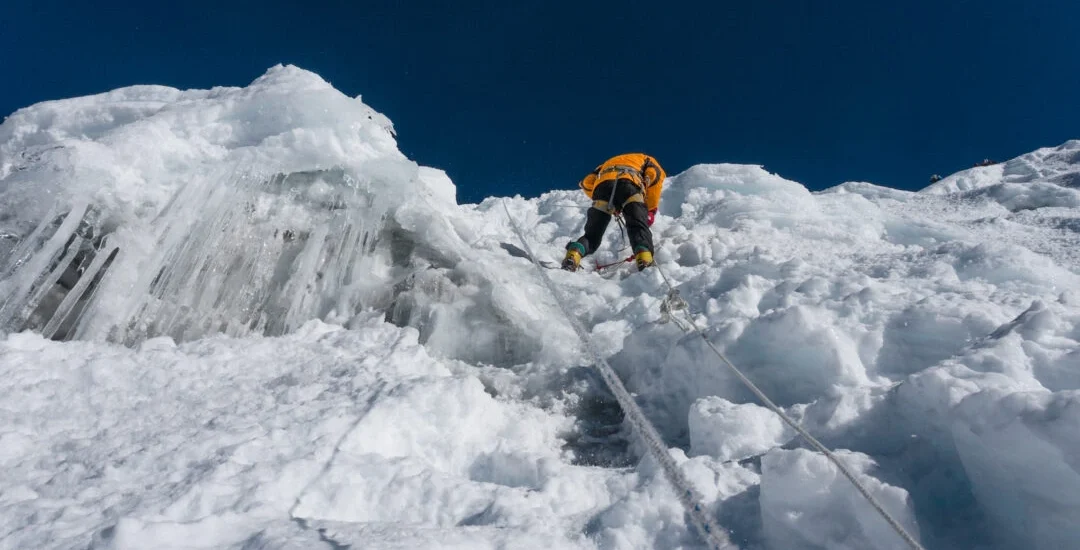
Everest Base Camp Trek and Island Peak Climbing gives adventurers in Nepal a chance to journey through dramatic alpine scenery — towering peaks, glacial valleys, and snow-draped ridgelines — all in a single expedition. This mountaineering and trekking package pushes above 6,000 meters, rewarding climbers with breathtaking views across the Khumbu range. Along the way, the route leads to Everest Base Camp (5,364m) before culminating in the summit attempt on Island Peak (6,189m).
Reaching the actual summit of Mount Everest (8,848m) demands enormous time, money, and physical endurance — well beyond what most trekkers can commit to. Island Peak climbing offers a far more attainable yet equally thrilling alternative for those craving a genuine high-altitude mountaineering experience without the extreme commitment of an Everest expedition.
This isn’t your average trekking package or standard peak climb — it’s a complete Himalayan adventure that brings you face-to-face with the world’s tallest mountain. Our carefully designed itinerary guides you through every stage of the journey, offering practical advice and support so your trek through the Himalayas stays smooth and worry-free.
The route also winds through the celebrated Sagarmatha National Park, a UNESCO World Heritage Site renowned for its biodiversity and dramatic mountain terrain. Trekkers will encounter deep-rooted Sherpa traditions along the trail, including a visit to the revered Tengboche Monastery. The path passes through well-known Khumbu villages such as Namche Bazaar, Tengboche, Dingboche, Gorak Shep, Everest Base Camp, and Chhukung.
Prior trekking or hiking experience is a definite advantage, since this itinerary is more demanding than many of Nepal’s classic trekking routes. Altitude sickness remains a key concern at these elevations, so proper acclimatization and pacing are built into the schedule.
The adventure begins with a scenic mountain flight into Lukla, followed by an initial trek to Phakding, and wraps up with a return flight back to Kathmandu as the journey comes to a close.
| Days | Route Summary |
| Day 01 | Arrival in Kathmandu (1,350 m/4,429 ft) |
| Day 02 | Fly from Kathmandu to Lukla (2,850 m/9,350 ft), 35 mins; trek to Phakding (2,651 m/8,698 ft), 3-4 hrs |
| Day 03 | Trek from Phakding to Namche Bazaar (3,440 m/11,286 ft), 5-6 hrs |
| Day 04 | Acclimatization day in Namche Bazaar |
| Day 05 | Trek from Namche to Tengboche (3,860 m/12,664 ft), 5-6 hrs |
| Day 06 | Trek from Tengboche to Dingboche (4,410 m), 4-5 hrs |
| Day 07 | Acclimatization day in Dingboche |
| Day 08 | Trek from Dingboche to Lobuche (4,900 m/16,076 ft), 4-5 hrs |
| Day 09 | Trek from Lobuche to EBC (5,364 m/17,598 ft); trek back to Gorak Shep (5,160 m/16,929 ft), 8-9 hrs |
| Day 10 | Morning hike to Kala Patthar (5,550 m/18,209 ft); descend to Lobuche (4,900 m/16,076 ft), 7 hrs |
| Day 11 | Trek from Lobuche to Chhukung (4,731 m/15,522 ft), 6-7 hrs |
| Day 12 | Trek from Chhukung to Island Peak Base Camp (5,000 m/16,404 ft), 7 hrs |
| Day 13 | Pre-climbing preparation day |
| Day 14 | Island Peak (6,189 m/20,305 ft) summit day and return to Chhukung (4,731 m/15,522 ft), 10-11 hrs |
| Day 15 | Trek from Chhukung to Tengboche (3,860 m/12,664 ft), 6 hrs |
| Day 16 | Trek from Tengboche to Namche Bazaar (3,440 m/11,286 ft), 6 hrs |
| Day 17 | Trek from Namche to Lukla (2,850 m/9,350 ft), 5-6 hrs |
| Day 18 | Fly from Lukla to Kathmandu (1,350 m/4,429 ft), 30-40 mins |
| Day 19 | Sightseeing tour in Kathmandu |
| Day 20 | Final departure |
The most favorable windows for Island Peak climbing are spring (March to May) and autumn (September to November). These months typically bring the most stable weather, clear mountain views, and safer climbing conditions in the Khumbu region.
Autumn is known for crisp air and pleasant temperatures, while spring showcases blooming rhododendron forests and vibrant Himalayan landscapes.
At Island Peak Base Camp, daytime temperatures generally hover between freezing and around 10°C, dropping well below freezing after dark. Higher up the mountain, conditions turn noticeably colder, with wind chill making it feel even more extreme. Proper high-altitude gear and preparation for shifting weather are essential.
Climbing is generally not recommended during the monsoon season (June to August), when heavy rainfall and unstable trail conditions make the route riskier for both trekking and mountaineering.
Taking on Island Peak climbing alongside the Everest Base Camp trek calls for solid physical conditioning and some prior high-altitude experience. Climbers should be mentally and physically prepared for the range of challenges this combined trekking and mountaineering adventure presents.
This itinerary is considered moderately to highly challenging, involving long daily walks over rocky, uneven trails with significant elevation gain and loss.
Since the route climbs to 6,189 meters at the summit of Island Peak, altitude is a major factor to plan around. A gradual ascent profile paired with proper acclimatization days helps reduce the risk of altitude sickness — though climbers should still expect to draw on genuine mountaineering skill for the peak climbing stage.
The ascent involves crossing glaciated terrain and negotiating icy, exposed sections using technical climbing equipment such as crampons, ice axes, and fixed ropes. A working knowledge of rope techniques, crevasse rescue basics, and safe glacier travel is important for this climb.
Summit day itself is the most demanding stretch of the trip — a steep, technical push to the top of Island Peak that tests both endurance and mental resilience.
Weather adds another layer of difficulty. Conditions in the Everest region can shift quickly, with strong winds and unpredictable patterns common at altitude. Climbers need to stay adaptable and prioritize sound judgment when conditions change on the mountain.
Landing in Kathmandu, you're immediately greeted by the vibrant energy and rich culture of Nepal's capital. A member of our team will meet you at the airport and transfer you to your hotel in Thamel, the city's bustling tourist hub. Once settled in, take some time to explore Thamel's lively streets on foot — a great chance to browse trekking gear shops and pick up any last-minute essentials before hitting the trail. Afterward, head back to the hotel to rest up ahead of the adventure that lies ahead.
Your Himalayan trekking adventure officially kicks off with an early-morning mountain flight, offering incredible aerial views of the high peaks on the way into Lukla. From there, the trail begins with a gentle descent toward Phakding. The route winds through lush forest and rugged mountain terrain, tracing the banks of the Dudh Koshi River for much of the way. Passing through several charming villages, trekkers get their first taste of the towering peaks that lie ahead. On reaching Phakding, settle into a cozy teahouse, enjoy a hearty meal, and unwind in the peaceful surroundings of the Khumbu foothills.
A longer trekking day takes you deeper into the heart of the Khumbu region. The trail is scenic throughout, crossing swaying suspension bridges and offering striking mountain vistas along the way. As Namche Bazaar draws near, the path steepens noticeably, rewarding trekkers with a sweeping panorama of Everest and Lhotse near the top of the climb. Known as the “Gateway to Everest,” Namche is a lively Sherpa trading town packed with shops, bakeries, and cafés. After checking into a local teahouse, spend the afternoon wandering the colorful market streets of this iconic mountain settlement.
Day four is dedicated to altitude acclimatization — a crucial part of any high-altitude trek in the Everest region. After breakfast, take a short hike up to the Everest View Hotel for a closer look at Mount Everest and the striking pyramid of Ama Dablam. The panoramic backdrop makes this stop a favorite among photographers. Spend the rest of the day exploring Namche Bazaar, including a visit to the Sherpa Culture Museum to learn about the traditions and heritage of the local Sherpa community. Unwind in the evening with a locally-inspired dinner and conversation with fellow trekkers.
Day five's trail weaves between towering peaks, delivering stunning mountain views throughout. The route follows the Dudh Koshi River before climbing steadily toward Tengboche. Here, you'll visit the famous Tengboche Monastery, one of the most spiritually significant sites in the Khumbu region. Surrounded by quiet forest and framed by dramatic Himalayan peaks, it's a memorable stop on the journey. Settle in for the night in Tengboche after a warm evening meal.
Today's trail passes through rhododendron forest and traditional Tibetan-influenced villages. As the path climbs toward Dingboche, trekkers are treated to fresh views of Ama Dablam and other surrounding peaks. Dingboche's teahouses sit within a picturesque high-altitude valley, offering some of the best mountain scenery on the trek so far. After settling into your lodge, a short walk around the village helps with acclimatization.
A second scheduled rest day allows your body to adjust further to the thinning mountain air — an essential step in preventing altitude sickness on the way to Everest Base Camp. Dingboche's peaceful setting is ideal for relaxing, swapping trekking stories with fellow hikers, and soaking in the mountain atmosphere.
The trail toward Lobuche crosses rugged, steep terrain alongside the Khumbu Glacier. Along the way, trekkers pass memorials honoring climbers who lost their lives attempting Mount Everest and other Himalayan peaks — a poignant reminder of the mountains' scale and danger. Arriving in Lobuche, you're rewarded with clear views of Pumori (7,165m), Nuptse (7,861m), Lobuche Peak (6,367m), Ama Dablam (6,858m), and other nearby summits. Basic but welcoming teahouse lodges provide a comfortable stop as you prepare for the push to Everest Base Camp.
This is one of the most anticipated days of the entire trek — the hike to Everest Base Camp. The trail is steep and demanding, crossing rocky moraine and glacial terrain, but the reward is well worth the effort. Standing at Base Camp beneath the towering presence of Mount Everest is an unforgettable moment. Take time to soak in the surroundings and capture photos before descending back to Gorak Shep for the night.
An early wake-up call sets the stage for the sunrise hike to Kala Patthar, widely regarded as the best viewpoint for close-up views of Mount Everest and the surrounding giants. It's one of the trek's true highlights. After returning to Gorak Shep for breakfast, the trail descends toward Lobuche, offering plenty of chances to appreciate the dramatic Khumbu landscape along the way.
Today's trekking route shifts terrain, passing through yak pastures and scattered Sherpa settlements en route to Chhukung. After 6–7 hours on the trail, Chhukung comes into view — along with your first glimpse of Island Peak, the climbing objective for the days ahead. Settle into a local teahouse and begin preparing mentally and physically for the mountaineering phase of the trip.
The trail to Island Peak Base Camp crosses steep, rocky ground with increasingly dramatic glacial scenery. Upon arrival, it's time to set up camp, organize climbing gear, and rest ahead of the summit attempt. There's a strong sense of camaraderie among climbers at base camp, with everyone gearing up for the mountaineering challenge to come.
A dedicated rest and preparation day at Island Peak Base Camp. This includes reviewing climbing techniques, checking equipment with your climbing guide, and possibly a short acclimatization hike nearby to help your body adjust to the altitude. The evening is spent going over summit-day logistics and connecting with fellow climbers before the early start ahead.
Summit day begins in the early hours with a demanding climb up steep slopes toward the top of Island Peak. The final push is physically challenging but incredibly rewarding — reaching the summit delivers jaw-dropping views of Mount Everest (8,848m), Lhotse (8,414m), Cho Oyu (8,188m), and a host of other Himalayan giants. After celebrating at the top and capturing the moment, climbers descend back to base camp and continue on to Chhukung for a well-earned rest.
Retracing part of the earlier route, today's trek leads back toward Tengboche. The descent offers a fresh perspective on familiar peaks, now viewed from a different angle. On arrival in Tengboche, many trekkers choose to revisit the monastery to reflect on the journey so far. Spend the evening at a local lodge, sharing stories over dinner with fellow trekkers.
A trail of steep ascents and descents leads back to the familiar surroundings of Namche Bazaar. Increasingly lush vegetation marks the return to lower elevation. Once in Namche, enjoy a relaxed evening with a good meal at one of the town's local restaurants.
The final leg of the trek follows the Dudh Koshi River back through a series of scenic villages toward Lukla. It's a great opportunity to reflect on the incredible journey through the Khumbu region. After roughly 5–6 hours of trekking, you'll arrive back in Lukla — the same village where the adventure began. Spend your last night in the Everest region enjoying the peaceful mountain atmosphere.
A short morning flight carries you from Lukla back to Kathmandu, offering one final aerial glimpse of the Everest region's spectacular peaks. After arriving in the city, check back into your hotel and take time to rest. The rest of the day is free for souvenir shopping or a relaxed stroll through Kathmandu before returning to the hotel for the evening.
Spend the day exploring Kathmandu's rich cultural and historical landmarks. Visit UNESCO World Heritage Sites such as Swayambhunath (the Monkey Temple) and Boudhanath Stupa, two of the city's most iconic religious monuments. A stroll through the ancient streets of Bhaktapur, paired with a taste of traditional Nepali sweets and beverages, rounds out a relaxing day of cultural discovery after the physical demands of the trek and climb.
On your last day, enjoy a leisurely breakfast at the hotel before wrapping up any final shopping in Thamel, if time allows. Our team will arrange your transfer to Tribhuvan International Airport for your onward flight. We hope this journey through the Everest region inspires future adventures in Nepal's trekking and mountaineering circuits. With well-planned itineraries and genuine Himalayan hospitality, we look forward to welcoming you back for your next expedition.
Combining a classic Khumbu trek with a technical peak climb, this journey deserves careful timing. As with most trekking and mountaineering trips in Nepal, the ideal windows fall in spring (March to May) and autumn (September to November). During these months, the Everest region enjoys stable weather, clear mountain visibility, and comfortable trekking and climbing conditions — making it the most rewarding time to attempt the expedition.
For trekkers with a reasonable level of fitness, basic mountaineering knowledge, and proper preparation, Island Peak is an achievable climb rather than an overly technical one. It's often recommended as an entry-level peak for climbers taking their first steps into high-altitude mountaineering, since it offers a genuine mountaineering challenge without requiring advanced climbing expertise. Prior trekking experience is a helpful advantage. Climbers should be ready to handle steep ascents, high-altitude conditions, and snow-covered terrain along the way, along with the physical and mental stamina the climb demands.
This expedition requires a Sagarmatha National Park entry permit, a Khumbu Rural Municipality (local area) permit, and an Island Peak climbing permit issued by the Nepal Mountaineering Association.
WiFi access is available at most teahouses along the Everest Base Camp and Island Peak trail, though the region's mountainous terrain means the connection can be inconsistent. Signal strength may be weak or occasionally unavailable in certain sections of the trek.
Card payments aren't widely used along Nepal's mountain trails, so cash remains essential for this trek. Kathmandu has several Visa-compatible ATMs where you can withdraw Nepali rupees. Keep in mind that many ATMs in the city charge a flat service fee (typically around $5 per withdrawal) on top of any fees from your home bank, and daily withdrawal limits are often capped around NPR 25,000 (roughly $215).
Groups on this combined trekking and climbing itinerary usually range from 8 to 10 participants, though exact group size can vary depending on the trekking agency and the specific package booked.
Essential mountaineering gear includes sturdy trekking boots, crampons, an ice axe, a climbing harness, a helmet, and warm, layered clothing suited to high-altitude conditions. For a full equipment checklist tailored to this trek, visit our website's gear guide.
Rising to 6,189 meters in Nepal's Everest region, Island Peak is a well-known training summit for mountaineers preparing to attempt taller Himalayan peaks, offering a genuine high-altitude climbing experience in a relatively accessible setting.
Meals along the trail blend traditional Nepali dishes with familiar international options. Expect staples like dal bhat (Nepal's classic rice-and-lentil dish), noodles, rice, fresh vegetables, and protein sources such as meat or lentils. Food is generally prepared with hygiene and trekker nutrition in mind, helping fuel the demands of high-altitude trekking and climbing.
Charging devices along the route can be tricky, since electricity is limited at higher elevations. Many teahouses offer charging services for a small fee, but it's a good idea to carry spare batteries or a portable power bank as backup for the trek.
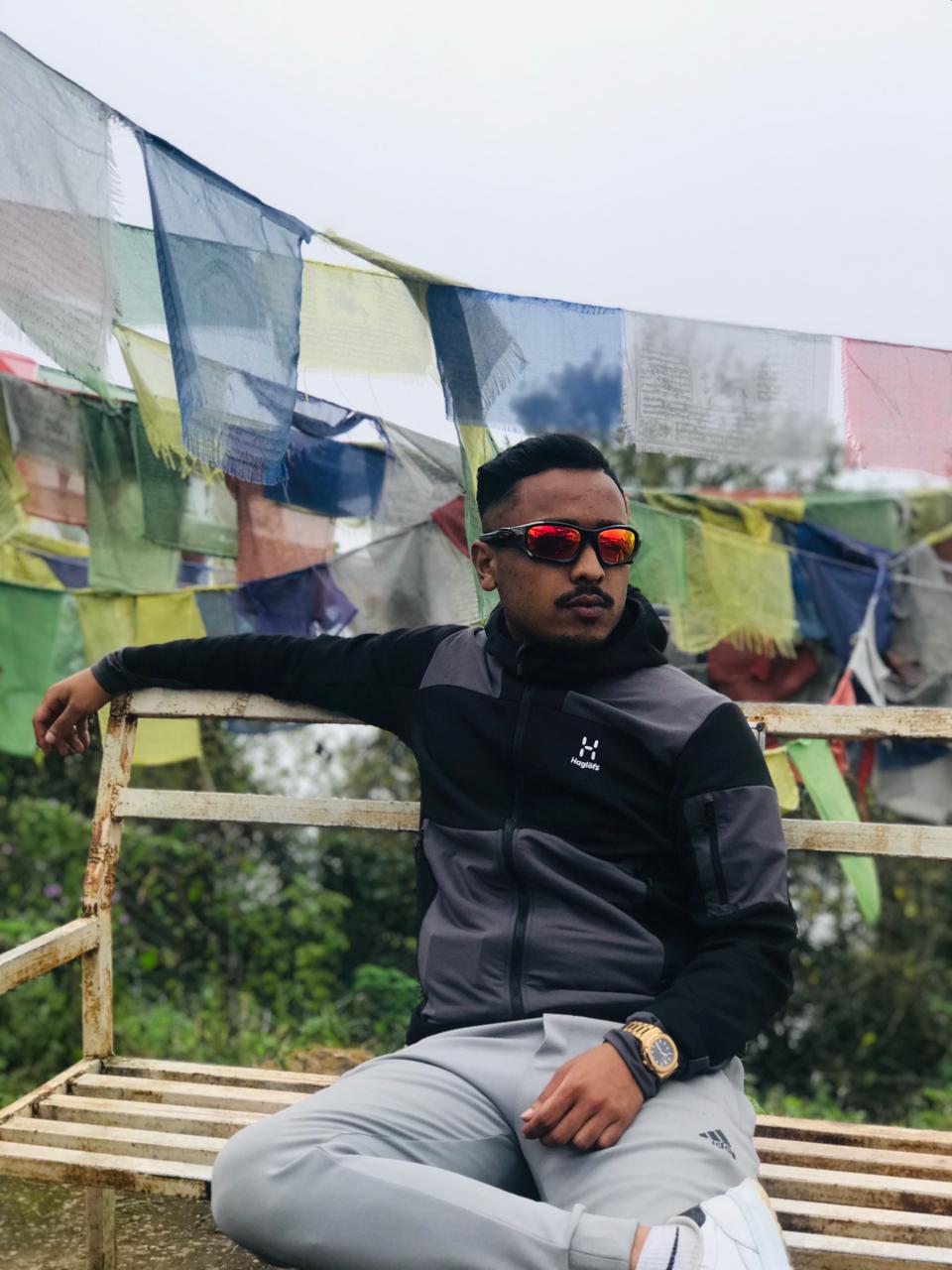
With 10+ years of expertise in Nepal, Tibet, and Bhutan, Binaya is the right person to help you create a trip you’ll never forget.